
📌 Maritime Intelligence Navigation Briefing
- 1. The 2026 Tonnage Paradigm: Macro Realities and Chinese Capacity Networks
- 2. ZC Class Architecture: Maximizing ROI in Regional and Near-Coastal Trade Lanes
- 3. The CCS-to-IACS Bridge: A Prescriptive Guide to Transnational Technical Compliance
- 4. Modern Eco-Tonnage Sourcing: High-Density Feeder Deployment and Refitting
- 5. Administrative Title Cleansing and Secured Financial Closings
1. The 2026 Tonnage Paradigm: Macro Realities and Chinese Capacity Networks
The global shipping landscape in 2026 is defined by severe structural operational strain and rapid capacity reallocation[cite: 4, 5]. Permanent draft constraints along the Panama Canal coupled with prolonged deep-sea rerouting maneuvers around the Cape of Good Hope have systematically drained active logistics pipelines worldwide[cite: 4, 5]. Simultaneously, the International Maritime Organization (IMO) has instituted rigid operational carbon enforcement via Carbon Intensity Indicator (CII) and Energy Efficiency Existing Ship Index (EEXI) compliance frameworks, exposing older, non-vetted tonnage to mandatory retirements or severe Port State Control (PSC) sanctions[cite: 4, 5].
This severe supply-side crunch has accelerated institutional sourcing strategies for cost-effective, high-yield commercial assets[cite: 4, 5]. Sourcing top-tier capacity requires accessing direct-owner commercial databases that provide verified technical transparency[cite: 4, 5]. For global shipping desks evaluating premium commercial vessels for sale, bypassing unverified broker chains is crucial to avoiding price speculation and ensuring structural asset continuity[cite: 4, 5]. At ShipsTrading, we leverage a 22-year maritime heritage backed by direct shipyard equity investments to connect institutional buyers directly with primary vessel assets, providing verified transparency across the entire secondary market[cite: 4, 5].
2. ZC Class Architecture: Maximizing ROI in Regional and Near-Coastal Trade Lanes
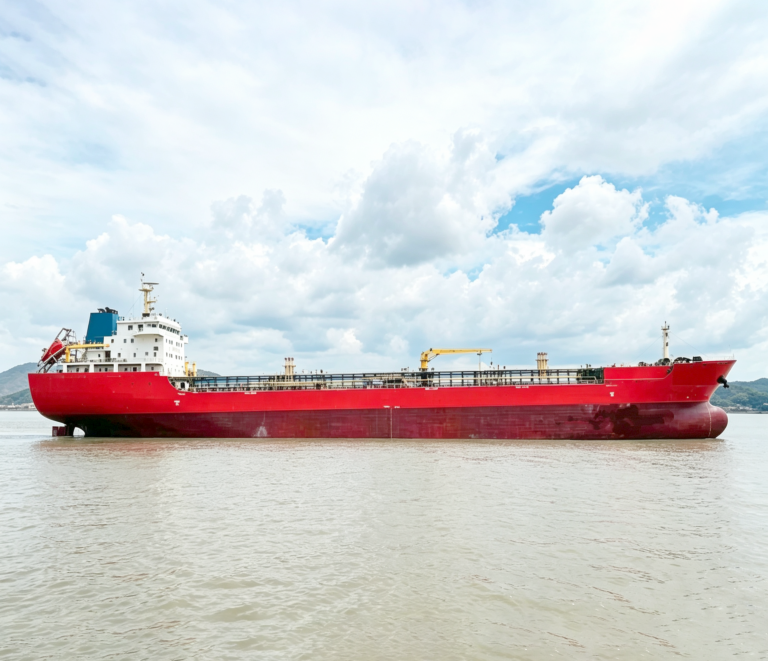
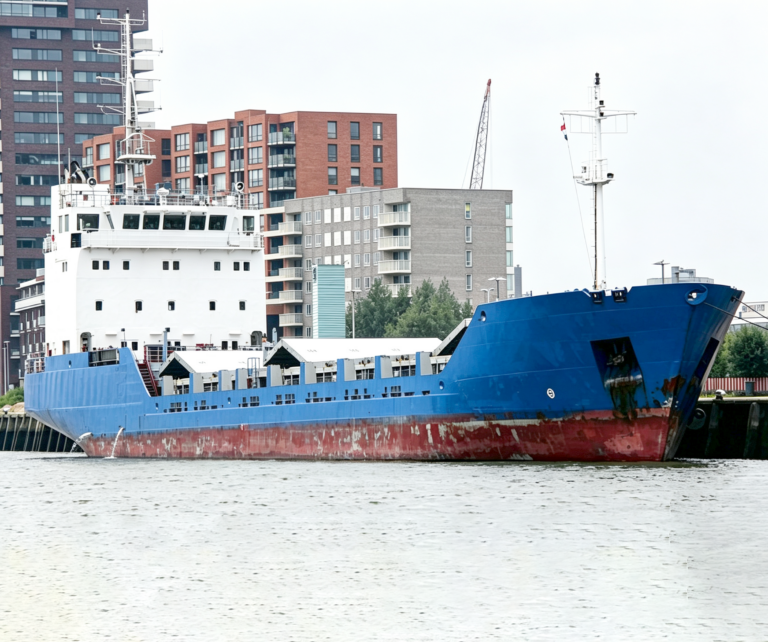
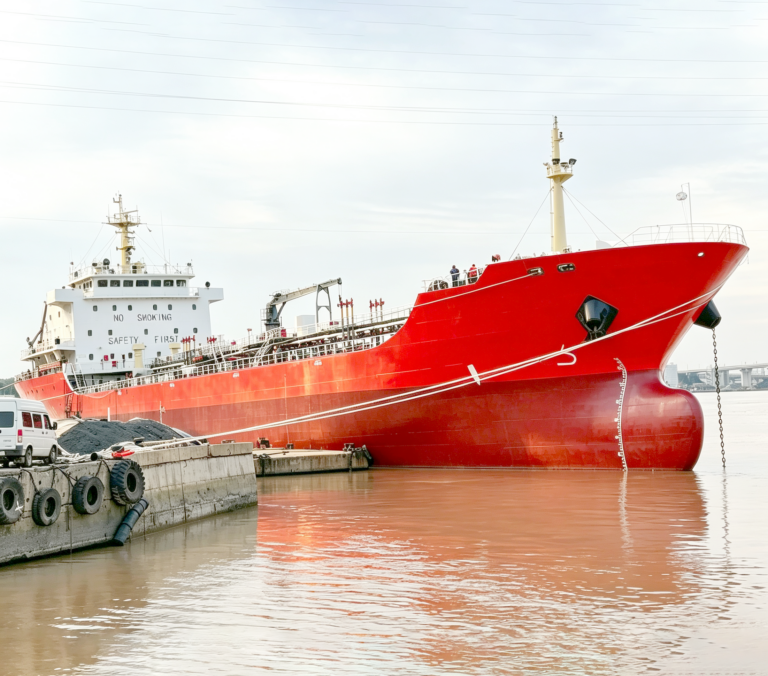
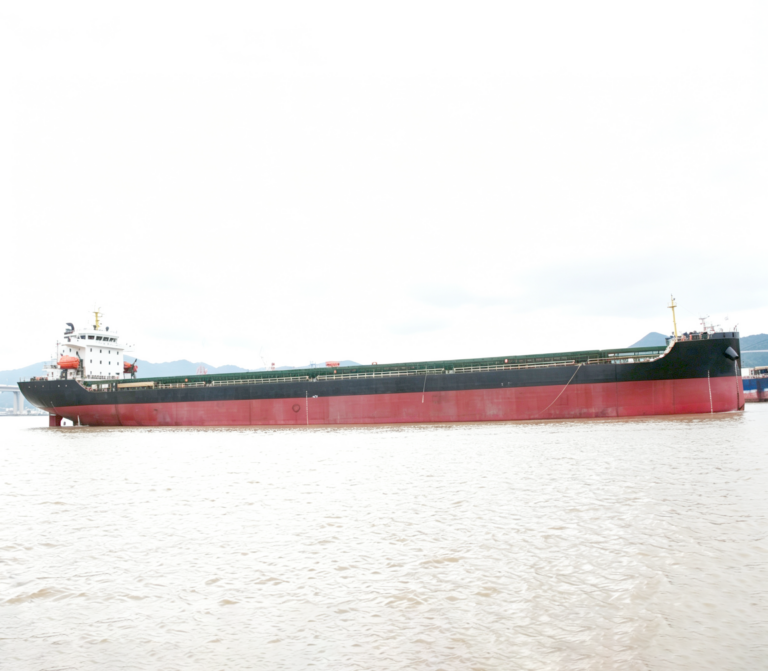
A primary operational error made by foreign shipping groups is evaluating Chinese domestic tonnage through a single deep-sea lens[cite: 4, 5]. Within the secondary market, vessels classed under the ZC Class represent a highly specialized, engineered asset category optimized specifically for near-coastal logistics, localized island trades, and sheltered inland waterway supply lines[cite: 4, 5]. Administered by localized maritime bureaus, ZC regulations utilize a highly functional technical framework tailored exclusively for regional environments[cite: 5].
From an engineering perspective, ZC Class hull design features optimized structural scantlings and streamlined steel plating weights perfectly suited for the calmer wave cycles of near-coastal operations[cite: 4, 5]. By omitting the extensive open-ocean structural reinforcements, massive A-60 rated fire insulation boundaries, and redundant deep-sea communication infrastructure mandatory for unrestricted ocean crossings, ZC tonnage provides operators with an ultra-competitive initial capital entry point and exceptionally low operational expenditure (OPEX) profiles[cite: 4, 5]. For regional industrial logistics, near-shore construction support, and shallow-water trading routes, ZC Class commercial hulls represent an elite, high-ROI asset class that effectively eliminates wasteful over-engineering costs[cite: 4, 5].
3. The CCS-to-IACS Bridge: A Prescriptive Guide to Transnational Technical Compliance
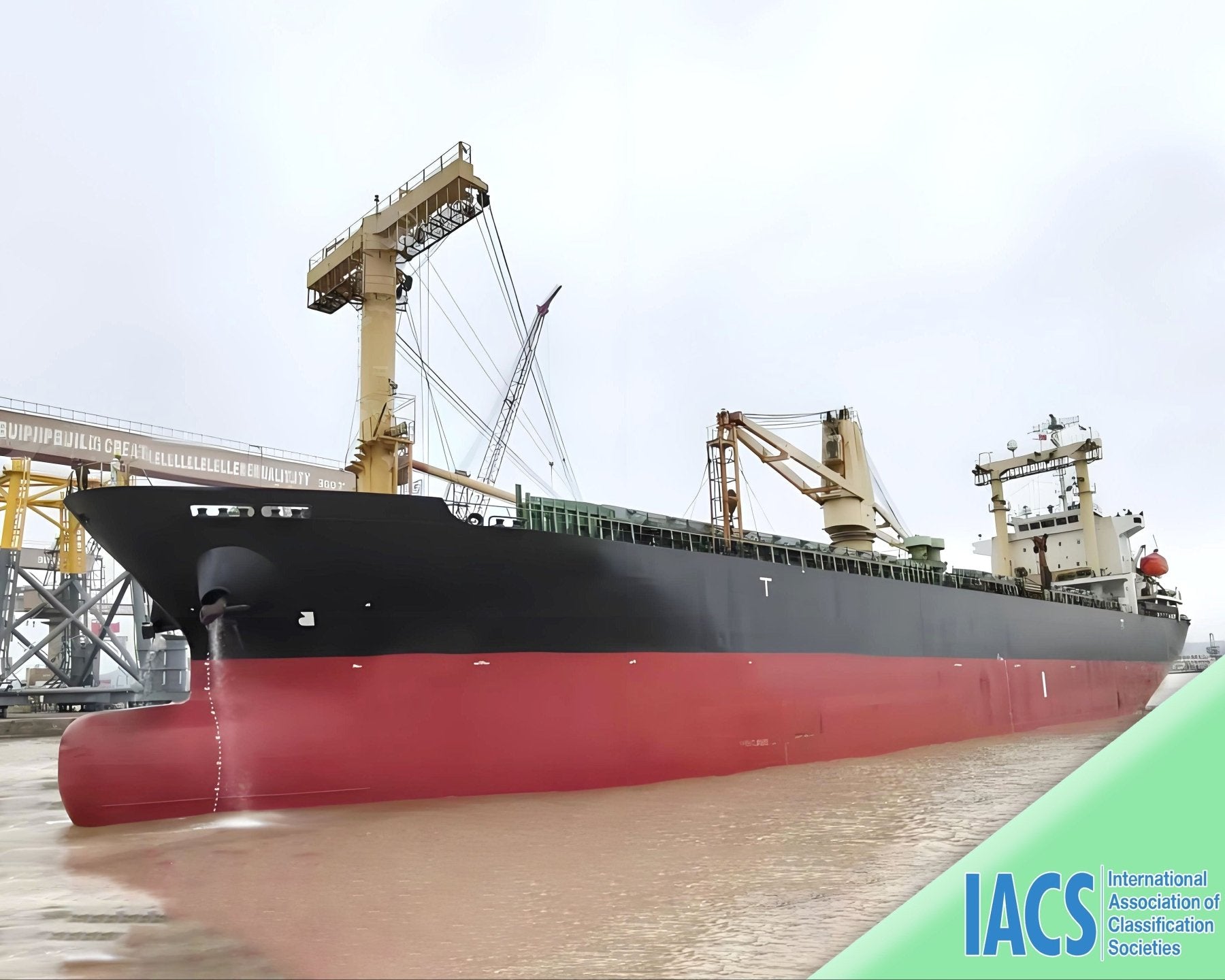
For international maritime organizations seeking to acquire tonnage for unrestricted, transoceanic deep-sea routes, the optimal strategic pathway consists of sourcing assets built under the China Classification Society (CCS) domestic framework[cite: 4, 5]. Because CCS is a full, highly respected member of the International Association of Classification Societies (IACS), its technical rulesets align directly with global maritime engineering conventions[cite: 4, 5]. Institutional buyers can seamlessly leverage our platform’s proprietary **”CCS Bridge”** to transition these high-value vessels from a domestic CCS baseline to full “China International CCS Class” status, ensuring absolute IACS compliance[cite: 4, 5].
This technical upgrade requires a disciplined, multi-phase refitting protocol executed at the shipyard level[cite: 4, 5]. Phase 1 focuses on rigorous engineering due diligence, requiring specialized technical teams to perform comprehensive onboard ultrasonic testing (UT) across the vessel’s strength decks, keel structures, and bilge plating[cite: 4, 5]. Under standard IACS directives, if any localized hull plate thickness wear exceeds the strict 15% corrosion threshold, immediate steel cropping and plate renewal are executed within our parent shipyard facilities[cite: 4, 5]. Concurrently, tailshaft magnetic particle testing (MPI) is deployed to eliminate micro-fractures, validating complete mechanical continuity before closing[cite: 5].
4. Modern Eco-Tonnage Sourcing: High-Density Feeder Deployment and Refitting
While regional coastal tonnage offers excellent cost-efficient entry points, securing modern eco-designed vessels provides absolute routing flexibility and premium time-charter rates in global trade networks[cite: 4, 5]. Modern feeder container vessels featuring electronic fuel injection and Tier-III emissions controls ensure absolute regulatory compliance[cite: 4, 5]. Accessing these premium modern units through a unified registry gives operators immediate access to vetted global capacity[cite: 4, 5].
Furthermore, international ocean-going deployment in 2026 requires strict execution of specialized environmental retrofits[cite: 4, 5]. Under the final enforcement of the MARPOL Ballast Water Convention D-2 standards, vessels must integrate advanced Ballast Water Management Systems (BWMS) holding concurrent USCG and IMO Type Approvals[cite: 4, 5]. Our shipyards execute precise machinery modifications, splicing high-capacity Ultraviolet (UV) sterilization blocks directly into the primary ballast mainlines[cite: 4, 5]. To pass strict 2026 CII carbon intensity benchmarks, we execute precise “engine core” updates, deploying Engine Power Limitation (EPL) mechanisms to permanently lock maximum continuous rating (MCR) outputs within high-efficiency eco-zones, offsetting speed loss with low-friction silicone anti-fouling coatings[cite: 4, 5].

5. Administrative Title Cleansing and Secured Financial Closings
Executing a successful high-value maritime acquisition requires managing administrative compliance with equal diligence to technical ship repairs[cite: 4, 5]. Prior to executing an international flag transition, the vessel’s domestic history must be completely cleared through the local China Maritime Safety Administration (MSA)[cite: 4, 5]. This administrative process requires the official discharge of all pre-existing commercial mortgages, absolute maritime lien clearance verifying the complete settlement of crew wage liabilities, and the formal extraction of the original China MSA Certificate of De-Registration[cite: 4, 5].
To protect institutional capital from administrative delays, ShipsTrading enforces a strict, milestone-driven Maritime Escrow Account framework supervised by elite maritime legal counsel[cite: 5]. Funding allocations are released exclusively against verified progress points: a 10% deposit upon initial signing, 40% upon successful technical sea-trial acceptance within our shipyards, and the final 50% balance strictly within the micro-second window of the China MSA issuing the official original De-Registration documentation[cite: 5]. This comprehensive legal insulation guarantees that international buyers take delivery of an unencumbered asset with continuous class status[cite: 4, 5].
Whether you require an optimized, low-OPEX ZC Class coastal workhorse or a high-capacity international IACS-compliant container carrier, accessing verified direct-owner inventories is the fundamental key to transactional success[cite: 4, 5]. For comprehensive institutional analysis, connect with our corporate asset desk or explore our digital portals today to safeguard your maritime investments[cite: 4, 5].
Acquire Verified Commercial Merchant Tonnage with Total Asset Security
Protect your commercial shipping capital from engineering and administrative liabilities. Our shipyard-owned platform eliminates middleman speculation, providing 100% direct-owner data supremacy and complete 5-Dimensional physical audits[cite: 4, 5].