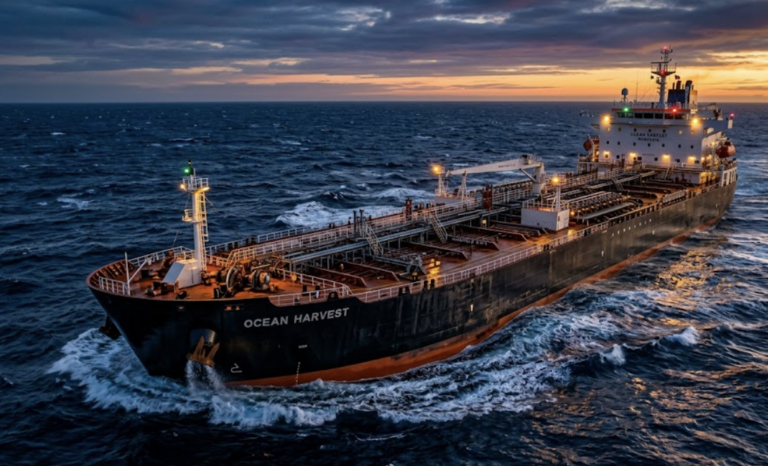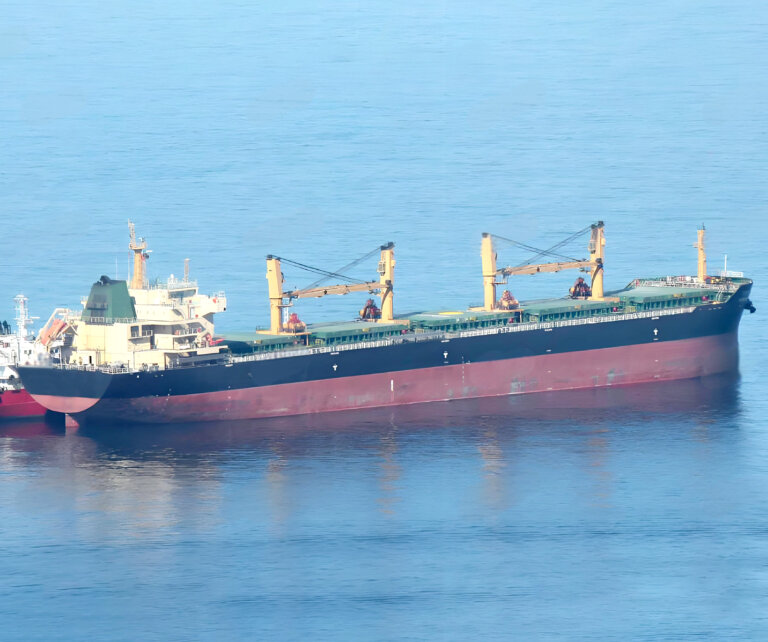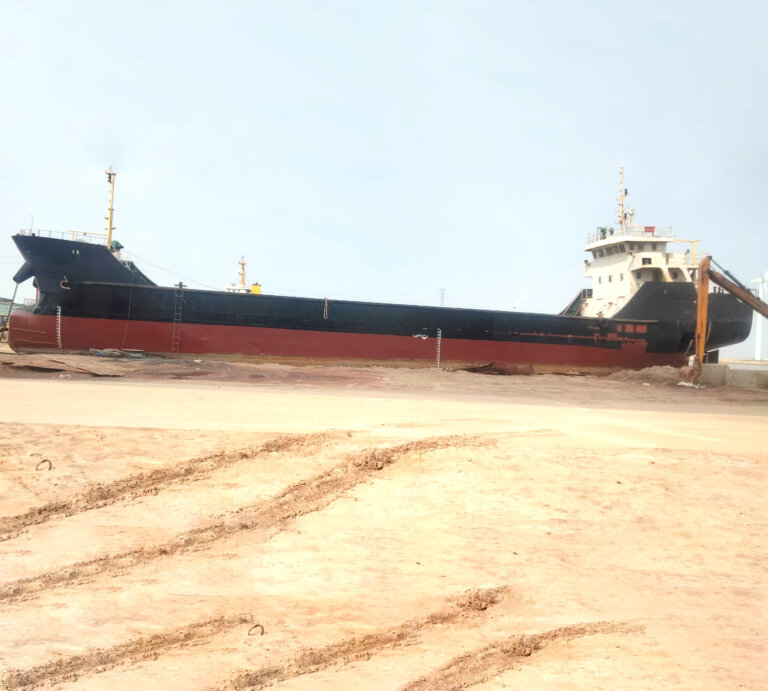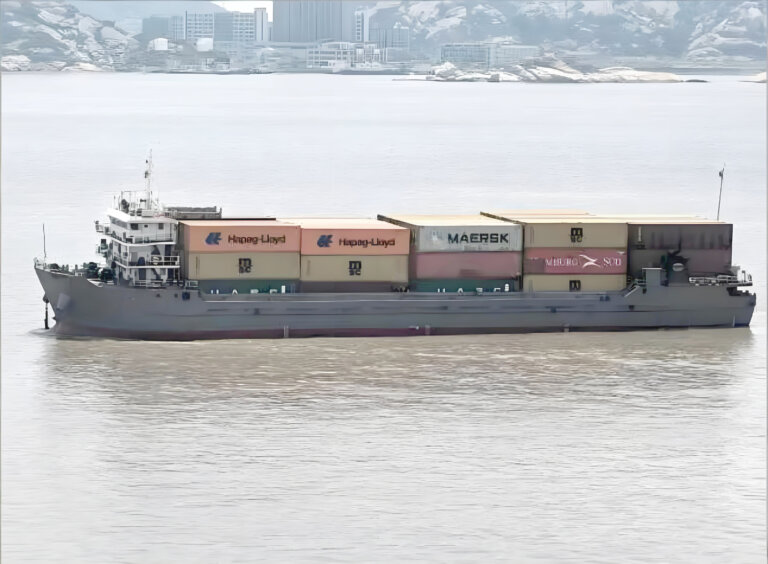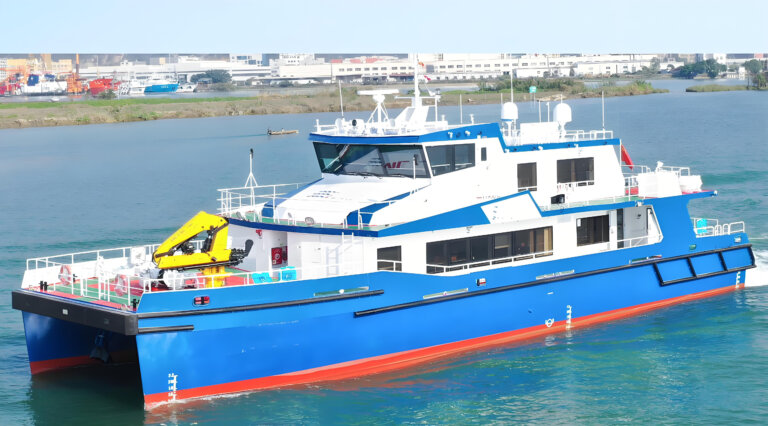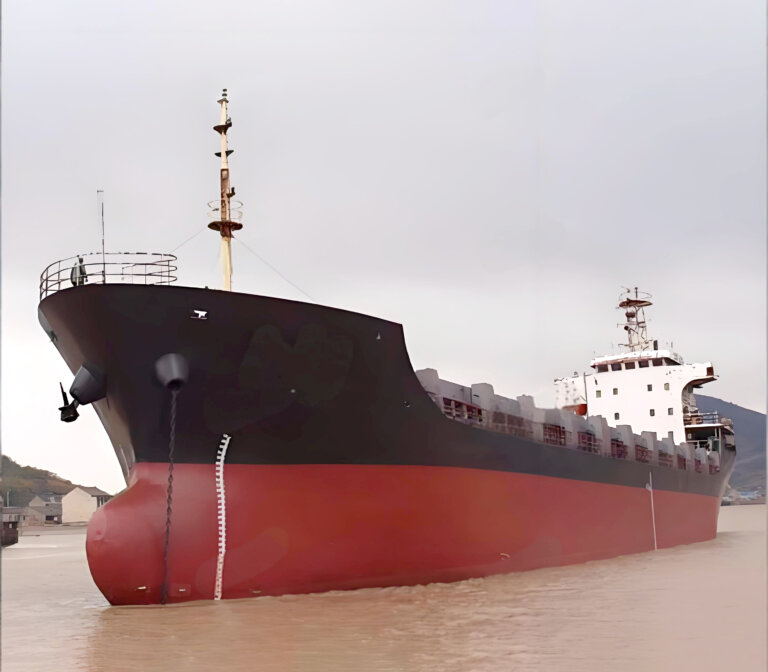

Purchasing a secondhand vessel is a multi-million dollar investment. In this high-stakes transaction, no day is more critical than the day of inspection. It’s the moment where a ship’s documented history meets its physical reality. A successful inspection uncovers value and builds confidence; a poor one can lead to years of unforeseen costs and operational headaches.
The 10 Critical Inspection Points
-
Documents & Class Records First
Before stepping on board, the inspection begins in the office. A thorough review of the vessel’s class certificates, statutory certificates (SOLAS, MARPOL), and recent survey reports is non-negotiable. These documents tell the ship’s official story and can reveal historical issues that warrant closer physical scrutiny.

2. Hull & Structural Integrity: The Foundation
The ship’s hull is its foundation. A visual inspection for corrosion, cracks, or deformation on the main deck, hull plating, and within ballast tanks is essential. As detailed in our guide, this is often supplemented by Ultrasonic Thickness (UT) gauging in representative areas to verify the condition of the steel.
3. The Main Engine: The Heart of the Vessel
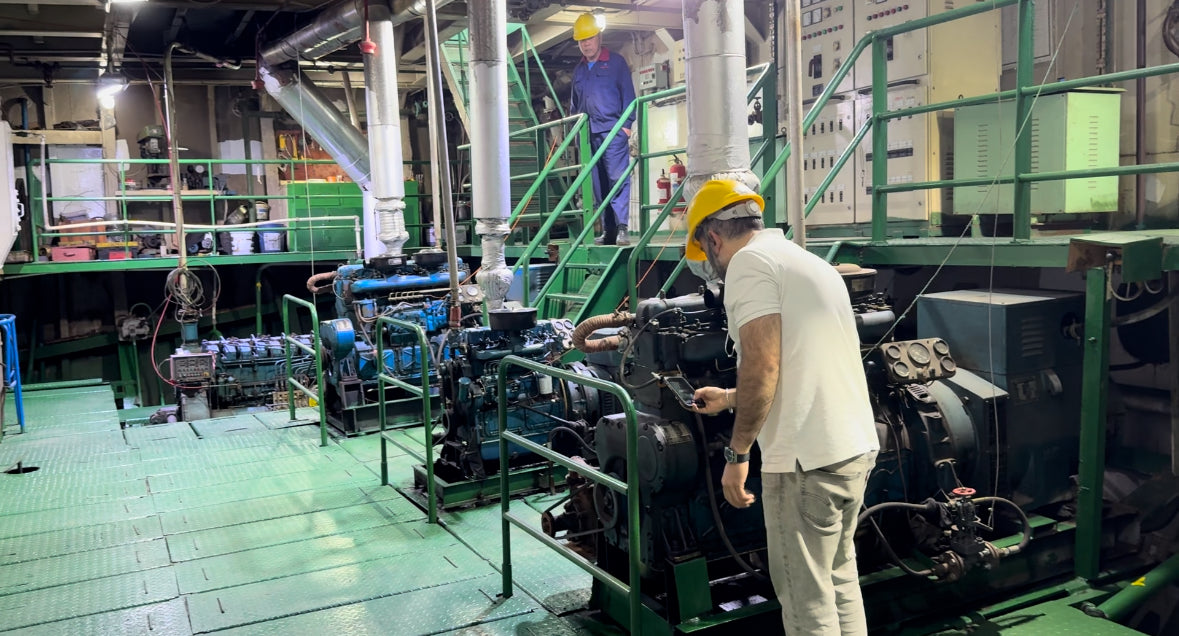
A ship’s main engine is its prime mover. Your inspection must include a review of its running hours, maintenance logs (including major overhauls), and spare parts inventory. During a live run, listen for unusual noises, check the exhaust smoke color, and look for any signs of fuel or oil leakage.
4. Auxiliary Machinery: The Vital Organs
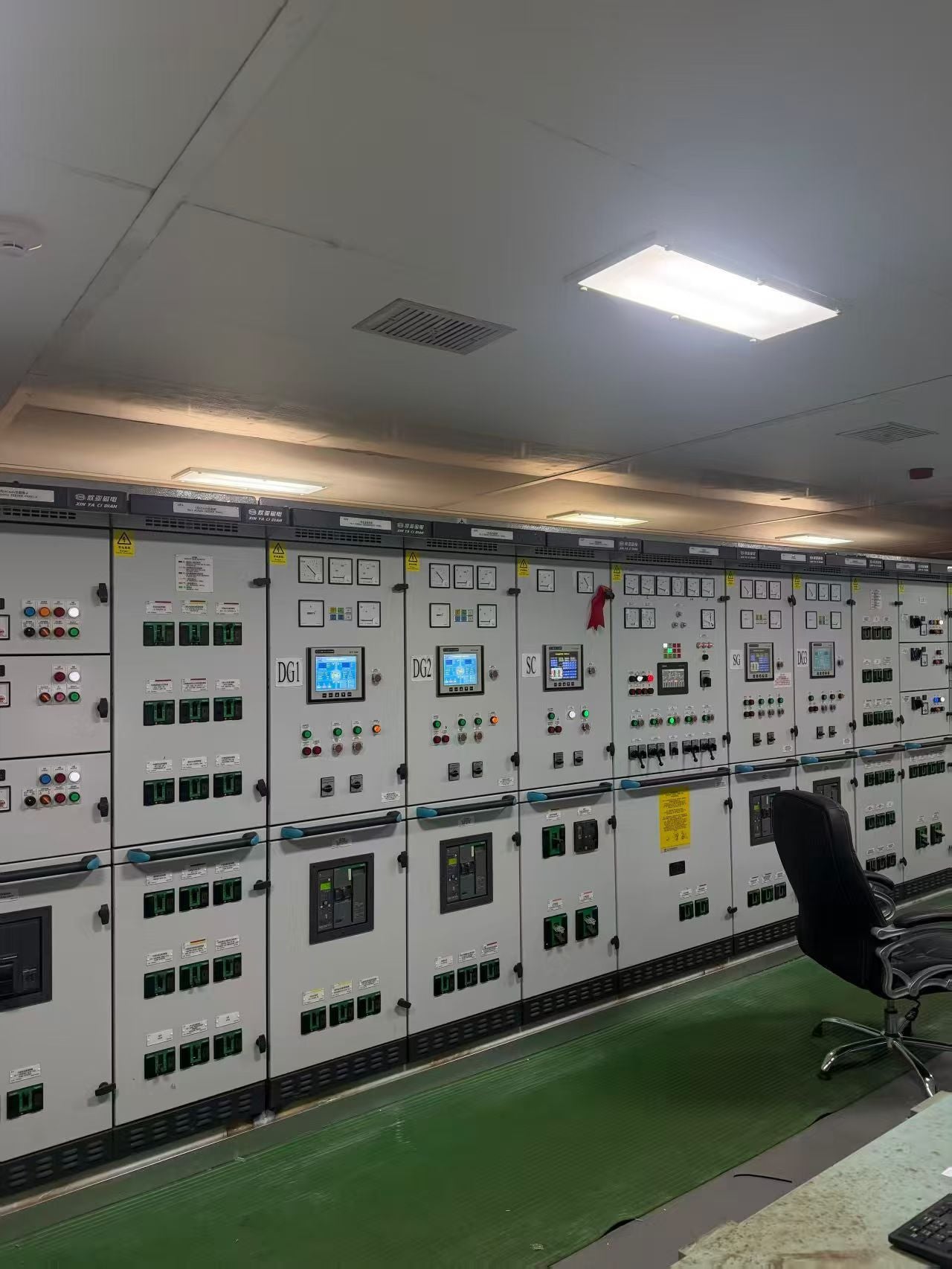
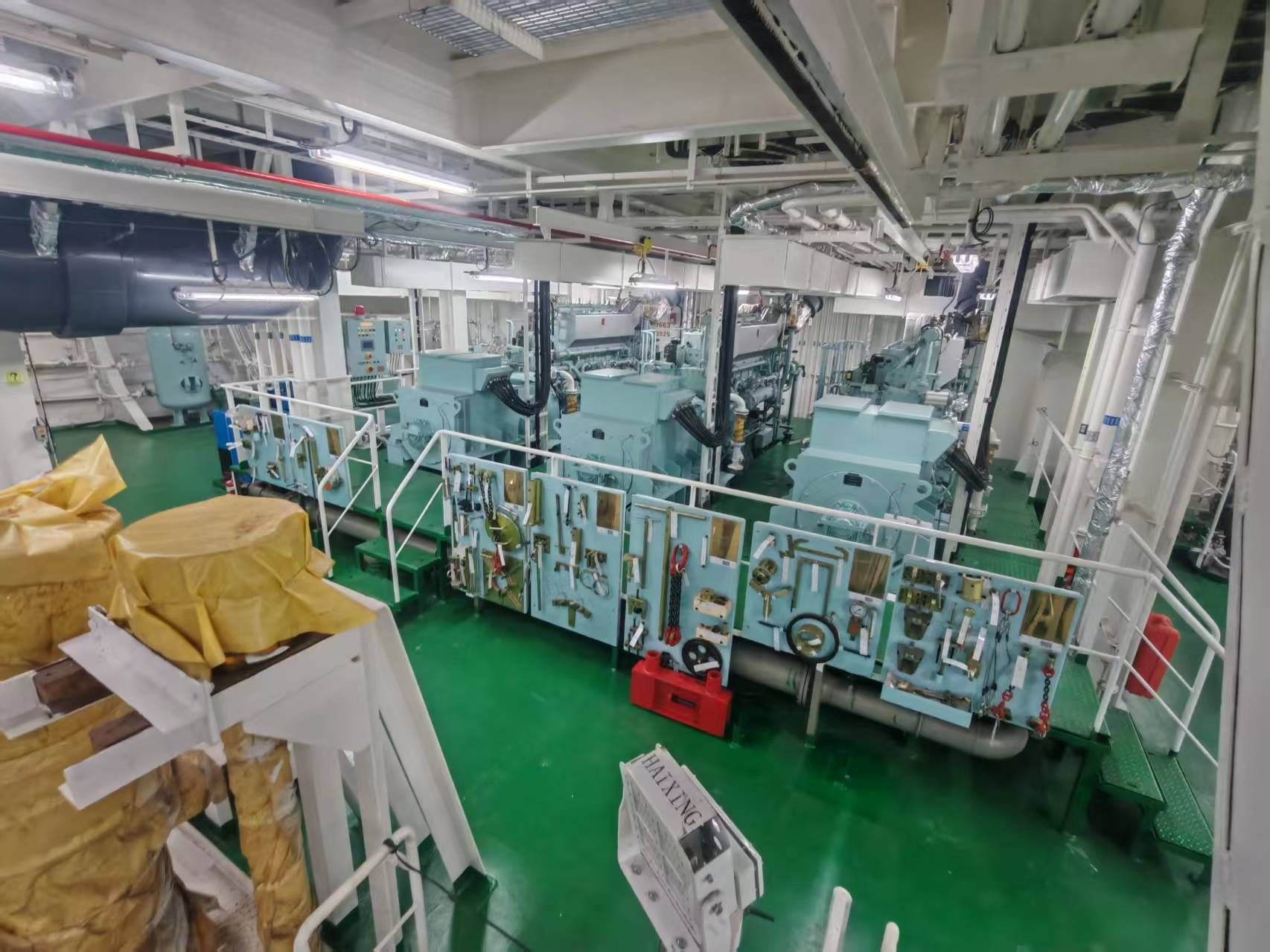
A ship doesn’t run on the main engine alone. The engine room’s auxiliary systems—diesel generators, boilers, air compressors, and various pumps—are the vital organs. As our guide specifies, each one must be started and checked for proper operation.
5. Deck Machinery & Equipment: The Working Tools
The machinery that handles the cargo and secures the ship must be tested under load. This includes operating the anchor windlasses, mooring winches, and, crucially for vessels like LCTs, testing the full operational cycle of the bow ramp.
6. Cargo Systems: The Money-Maker
The condition of the cargo system is directly linked to the vessel’s earning potential. This varies by ship type:
-
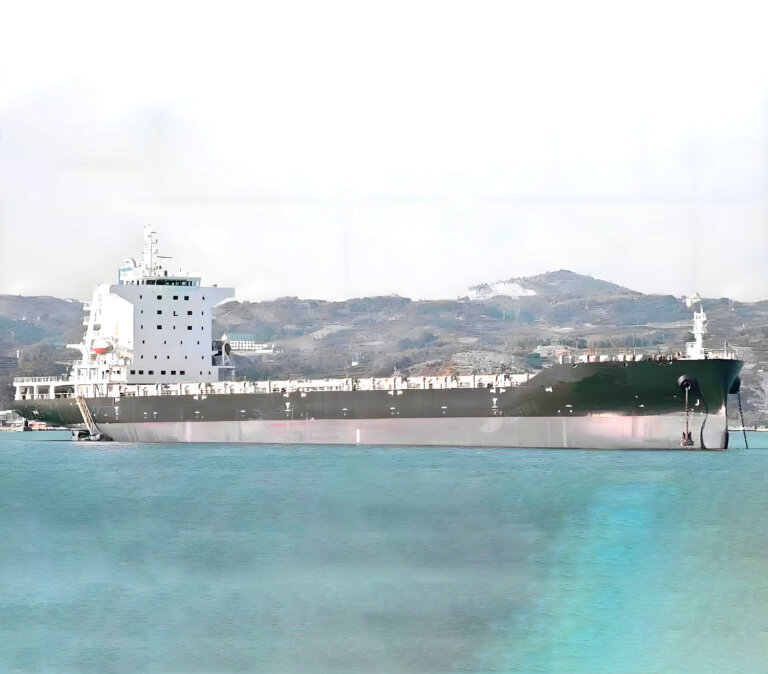
Bulk Carriers: Check the weather-tightness of hatch covers.
-
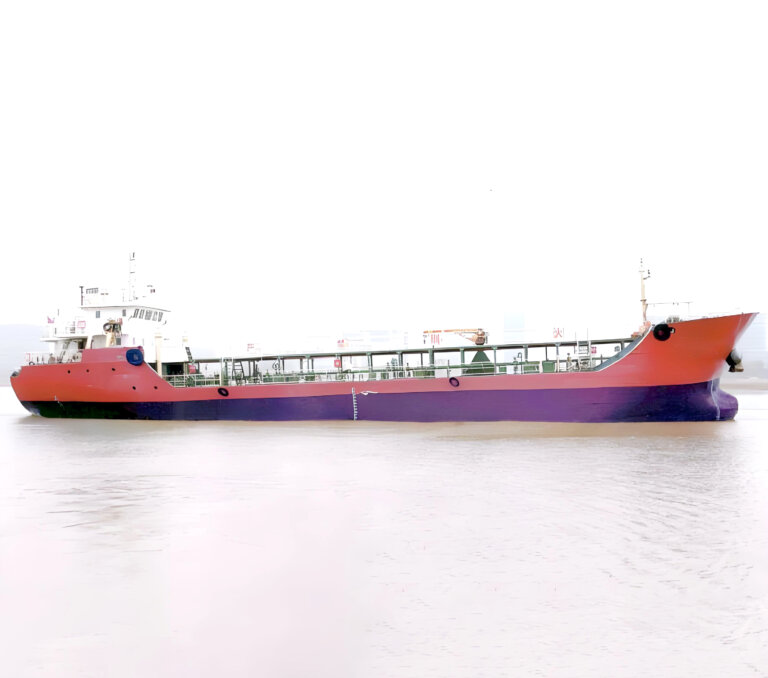
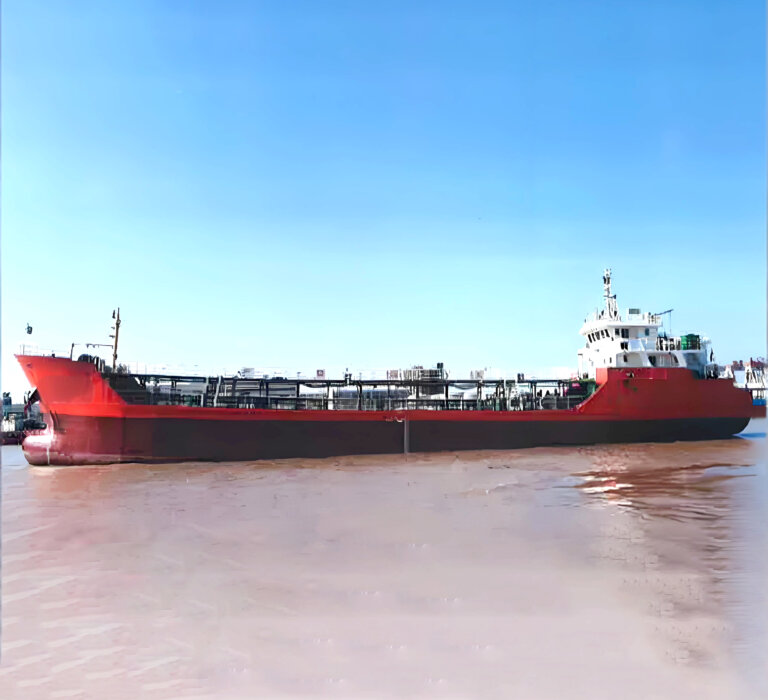
Tankers: Inspect the condition of cargo tank coatings and the operational status of cargo pumps.
-
Container Ships: Verify the condition of cell guides and container lashing equipment.
7. Bridge & Navigation Equipment: The Brain
The bridge is the ship’s command center. A full inventory and functional test of key navigation and communication equipment (Radar, ECDIS, GPS, GMDSS radio) is critical. Pay attention to the age and manufacturer, as this can impact future serviceability.
8. Safety & Fire-Fighting Systems: The Insurance Policy
Life-saving appliances (lifeboats, life rafts) and fire-fighting systems (fire pumps, fixed extinguishing systems) are not just equipment; they are essential for the crew’s safety and the vessel’s legal compliance. An expired or poorly maintained system can prevent a ship from sailing.
9. Accommodation & General Condition
Never underestimate a walk through the crew accommodation, galley, and common areas. The general state of cleanliness and maintenance in these areas is often a direct reflection of the overall “maintenance culture” on board the vessel.
10. The Sea Trial: The Final Examination
If circumstances permit, a sea trial is the ultimate test. It’s the only way to verify the vessel’s true performance regarding speed, fuel consumption, vibration, and maneuvering capabilities in a real-world environment.
Go Deeper: Get Our Complete Professional Checklist
We have prepared this comprehensive guide as a downloadable PDF, and we want you to have it.