1. Propulsion: The Fundamental Divide
This is the most obvious and defining difference.
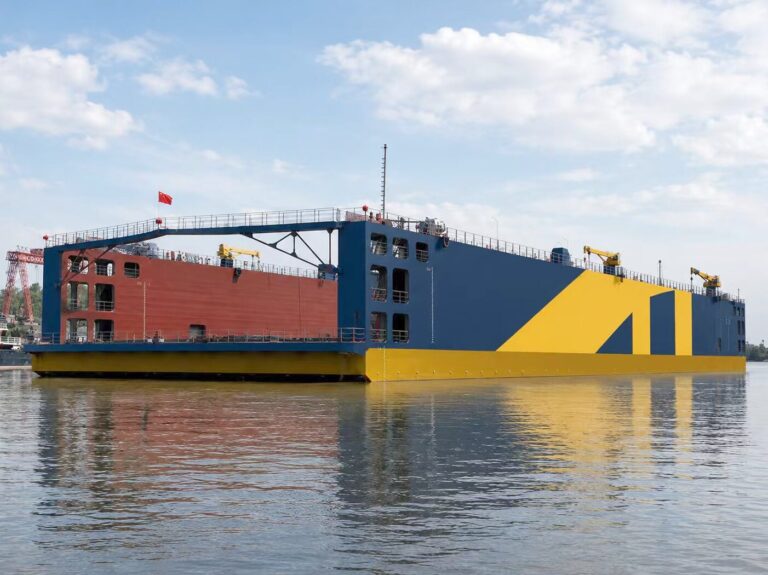
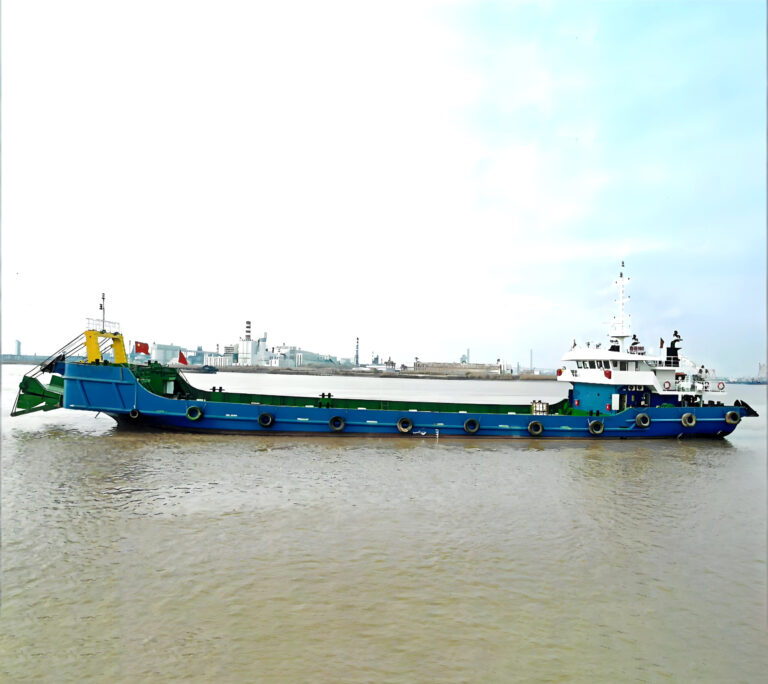
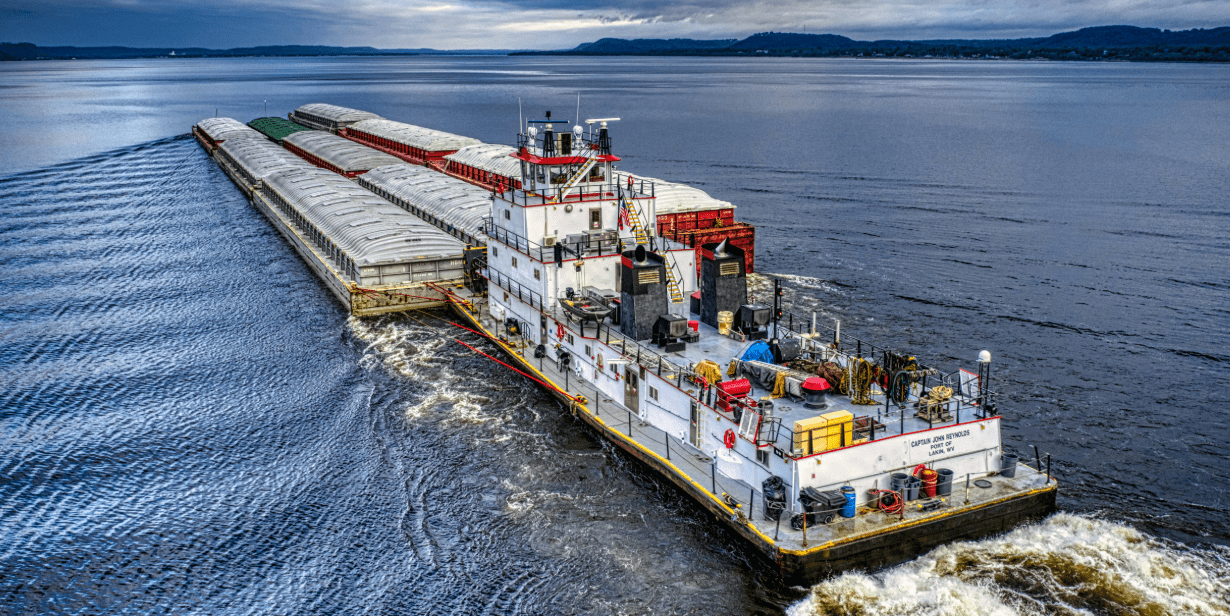
Key Takeaway: A Deck Barge is a component of a larger system (barge + tug), while an SPB is a self-contained vessel.

2. Operational Cost & Flexibility
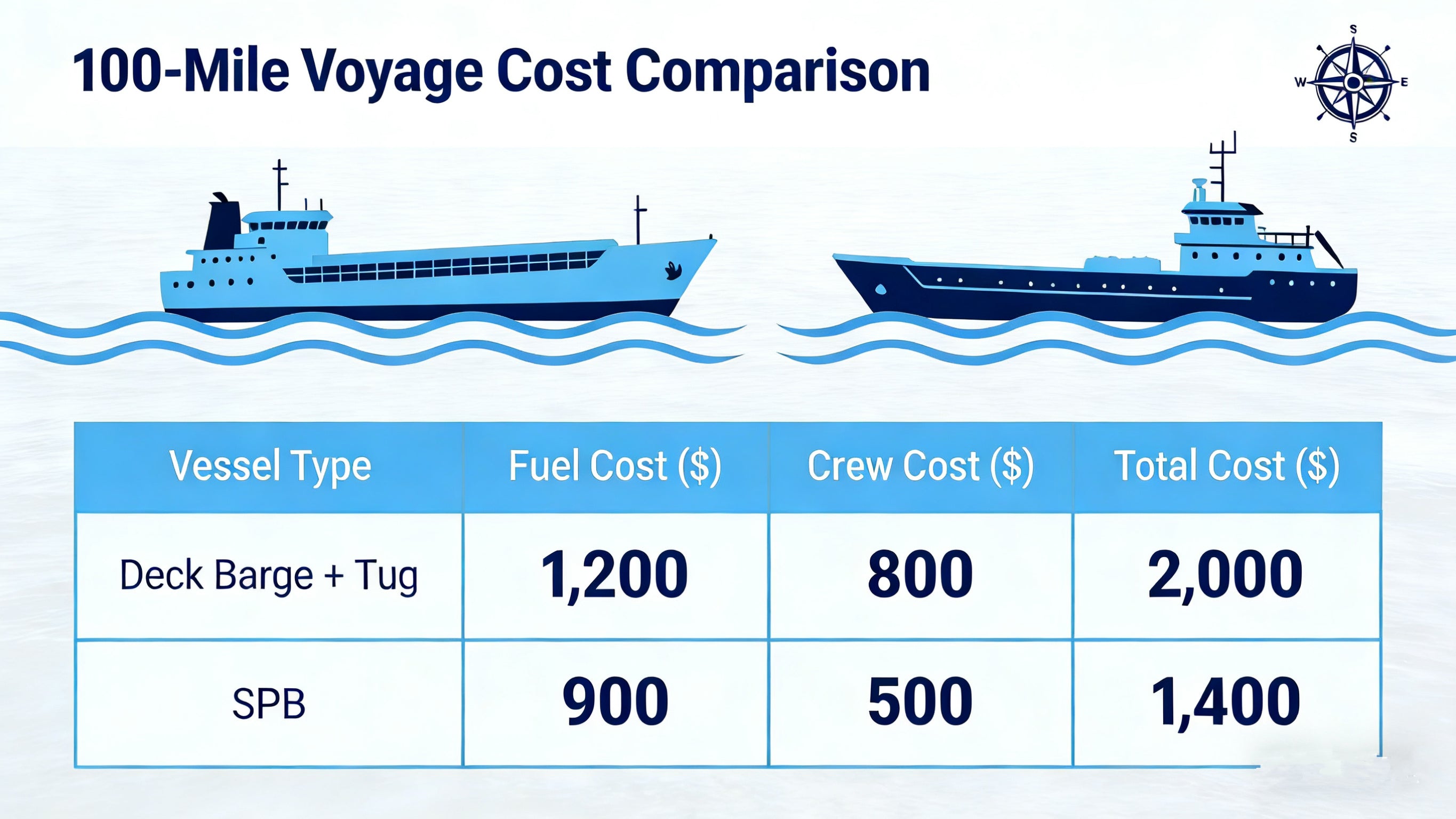
The propulsion difference directly impacts your operational costs and flexibility.
3. Manning & Certification
-
Deck Barge: Typically unmanned. The responsibility for safe navigation and compliance rests with the crew of the accompanying tugboat.
-
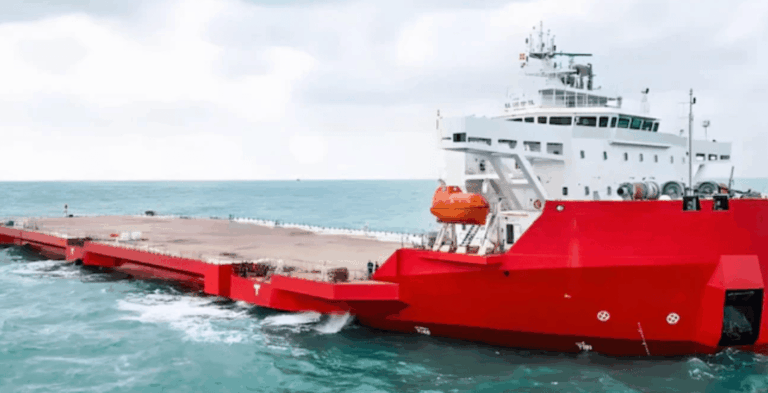
Self-Propelled Barge (SPB): Requires its own qualified crew, including a captain, engineers, and deckhands. The vessel itself must comply with all flag state and international regulations for a motorized vessel, which are more stringent.
4. Maneuverability & Waterway Access
-
Deck Barge: Maneuverability is entirely dependent on the power and skill of the tugboat captain. In tight quarters or difficult currents, the combined length of the tug and barge can be challenging to handle.
-
Self-Propelled Barge (SPB): Generally offers superior maneuverability, especially if equipped with bow thrusters. It can navigate narrower channels and execute more precise docking maneuvers independently, making it ideal for river systems and congested ports.
5. Best-Use Scenarios
The choice ultimately comes down to your specific project needs.
-
Choose a Deck Barge if:
-
You need a semi-permanent floating platform for storage or construction work (e.g., a “work barge”).
-
Your transport needs are infrequent and over long, open-water distances where chartering a tug is cost-effective.
-
Your primary need is maximum deck space for the lowest possible purchase price.
-
-
Choose a Self-Propelled Barge (SPB) if:
-
You need to perform frequent, scheduled cargo deliveries (e.g., supplying materials to islands or along a river).
-
You operate in areas with limited tug availability or high chartering costs.
-
Your operations require high maneuverability and independent, efficient transit
-