
📌 Quick Navigation Briefing
- 1. The 2026 Maritime Reality: Suez Canal Disruptions & Ton-Mile Trajectories
- 2. Why Second-Hand Bulk Carriers Trump Newbuilds in the Current Economic Cycle
- 3. Southeast Asian Trade Dynamics: The Engine of Supramax and Handysize Demand
- 4. Navigating Technical Due Diligence: ZC Plus CCS Survey Standards for Global Flagging
- 5. Financial Valuation and S&P Risk Mitigation for Dry Bulk Investors
- 6. Partnering with a China Ship Broker: Streamlining Your 2026 S&P Transactions
1. The 2026 Maritime Reality: Suez Canal Disruptions & Ton-Mile Trajectories
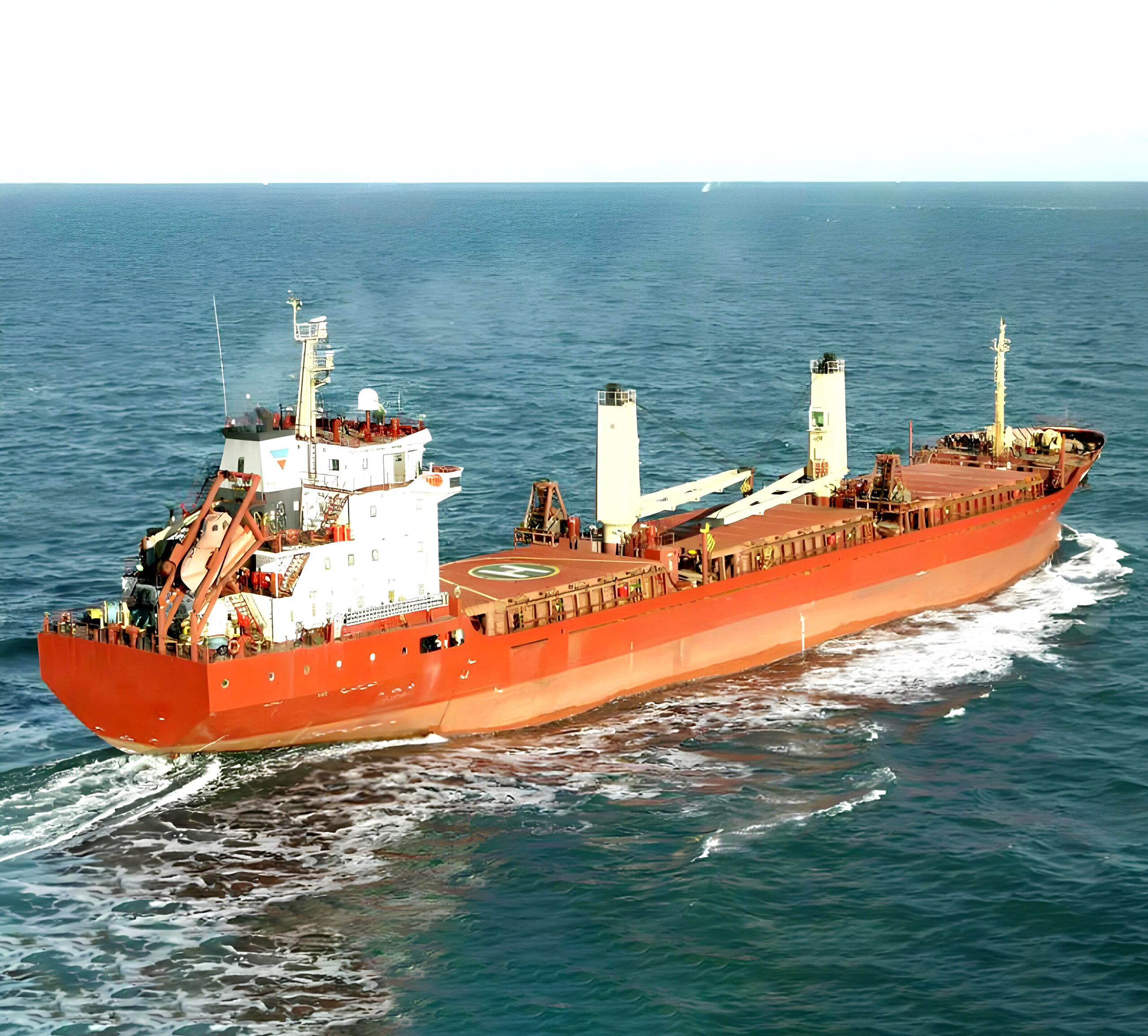
The global shipping landscape in 2026 has reached a structural inflection point. What initially began as transitory geopolitical friction in the Red Sea corridor has crystallized into a semi-permanent re-routing of global trade. The restricted transit capacity through the Suez Canal has forced the international shipping community to accept the Cape of Good Hope as the standard baseline for Asia-Europe and West Coast India-Europe trade flows. For institutional shipowners and capital allocators engaged in commercial ship trading, this shift represents a fundamental realignment of supply and demand fundamentals, particularly within the dry bulk sector. 🌊
When vessels are forced to bypass the Suez Canal and circumnavigate Africa, the immediate consequence is a dramatic expansion in global ton-mile requirements. Ton-mile demand—defined as the volume of cargo multiplied by the distance sailed—acts as the ultimate multiplier of fleet utilization. A standard voyage from the Arabian Gulf or India to Northwest Europe that previously took 14 to 18 days via the Suez Canal now extends to 30 to 35 days via the Cape. This effective doubling of transit times absorbs massive amounts of fleet capacity, creating an artificial supply squeeze even in the face of steady global cargo volumes.
While the broader market focus often centers on the container sector, the dry bulk market has experienced a profound, cascading impact. Multi-purpose vessels, Handysize, and Supramax sectors have seen their utilization rates climb significantly. Commodities such as fertilizers, grain shipments from the Black Sea and Europe to Asia, and steel products moving westward must now compete fiercely for available deadweight tonnage. Consequently, spot freight rates and time charter equivalents (TCE) have exhibited a sustained upward trajectory through 2026. Investors looking to capitalize on this supply-constrained environment are realizing that waiting for macro-economic corrections is no longer a viable option; immediate access to on-the-water capacity is the primary driver of commercial alpha. 📈
2. Why Second-Hand Bulk Carriers Trump Newbuilds in the Current Economic Cycle
Faced with a booming freight market, the traditional reflex for major shipowners has been to initiate newbuilding contracts. However, the macroeconomic realities of 2026 have broken this traditional cyclical pattern. Global shipbuilding berths are currently experiencing unprecedented backlogs. Tier-1 shipyards in China, Japan, and South Korea are fully booked through 2028, with some premium slots for specialized LNG and ultra-large container vessels stretching into 2029. Consequently, a shipowner placing an order for a new build today faces an untenable lag phase of three to four years before steel hits the water. ⏳
Furthermore, newbuilding asset prices have escalated dramatically. Inflationary pressures across the maritime supply chain, coupled with high labor costs and the premium pricing commanded by dual-fuel alternative propulsion systems, have pushed newbuild capital expenditures to historic highs. For a standard 64,000 DWT Ultramax, the required capital expenditure now demands long-term contract coverage that is difficult to secure in a volatile macroeconomic environment. This creates a severe asset-liability mismatch for opportunistic capital looking to capture the immediate yield generated by the current ton-mile squeeze. This is precisely why looking for a high-quality second hand ship for sale has emerged as the superior strategic choice for 2026.
1. Immediate Deployment 🚢
An asset acquired via the second-hand Sale and Purchase (S&P) market can be delivered within 30 to 60 days, allowing the buyer to immediately fix the vessel on highly profitable time charters or capitalize on soaring spot market rates.
2. Capex Optimization 💰
Modern second-hand vessels (specifically those in the 5-to-12-year age bracket) offer an exceptional discount relative to current inflated newbuilding prices. This lower capital entry point significantly reduces break-even rates.
3. Obsolescence Protection 🛡️
With international decarbonization regulations in a state of rapid evolution, a modern eco-delivery second-hand vessel allows owners to bridge the current decade profitably while alternative fuel supply chains mature globally.
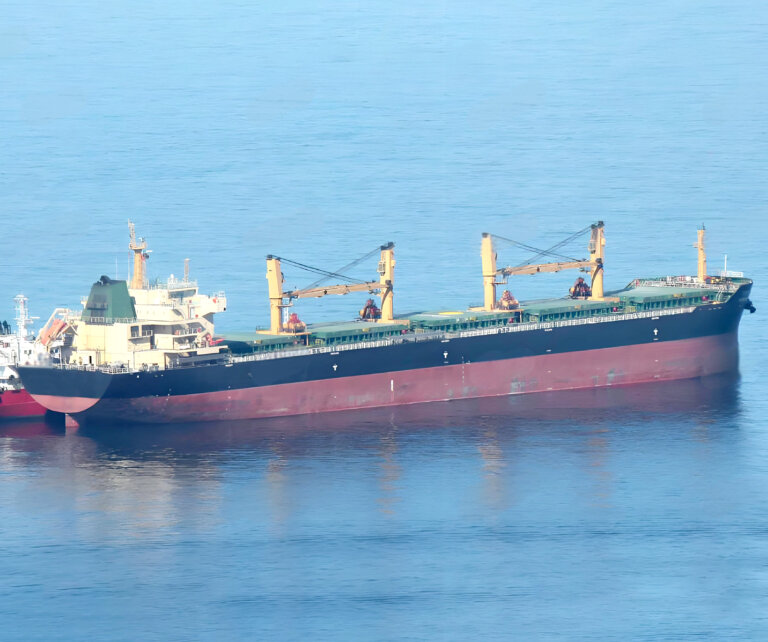
In the current market architecture, when evaluating options across the broader global vessel market, the dry bulk sector offers a particularly defensive entry point. While tanker values have already priced in substantial geopolitical premiums, mid-aged dry bulk assets continue to trade at a reasonable discount to their intrinsic replacement value, presenting a clear window of opportunity for sophisticated buyers.
3. Southeast Asian Trade Dynamics: The Engine of Supramax and Handysize Demand
While global geopolitical friction provides the macro backdrop, the localized demand dynamics within Southeast Asia are serving as the operational engine for dry bulk shipping. The region has transitioned from a mere transit corridor into a self-sustaining powerhouse of industrial consumption and commodity exportation. Driven by the continued expansion of manufacturing hubs in Vietnam, the industrialization of Indonesia, and the robust energy requirements of Thailand and the Philippines, intra-Asia trade lanes are experiencing unprecedented volume growth in 2026. 🌏
Indonesia remains the undisputed focal point of regional dry bulk flows. As the world’s leading exporter of thermal coal and a critical supplier of nickel ore and bauxite, Indonesian maritime logistics dictate the supply patterns for the entire Asian region. Concurrently, China’s demand for high-grade raw materials and India’s surging industrial appetite ensure that a continuous stream of dry bulk capacity must be positioned within the Indonesian archipelago. This localized demand profile is exceptionally well-suited for mid-sized vessel classes, specifically Supramax (50,000–60,000 DWT) and Handysize (30,000–40,000 DWT) units.
| Vessel Class | DWT Range | Primary Southeast Asian Commodities | Operational Advantages in 2026 |
|---|---|---|---|
| Handysize | 30,000 – 42,000 | Steel, Cement, Agricultural Products, Gypsum | Maximum draft flexibility for shallow ports in Vietnam and the Philippines; geared capability. |
| Supramax / Ultramax | 52,000 – 64,000 | Coal, Nickel Ore, Bauxite, Grains | Optimal scale economics for intra-regional coal lifts; equipped with onboard cranes for offshore anchorage loading. |
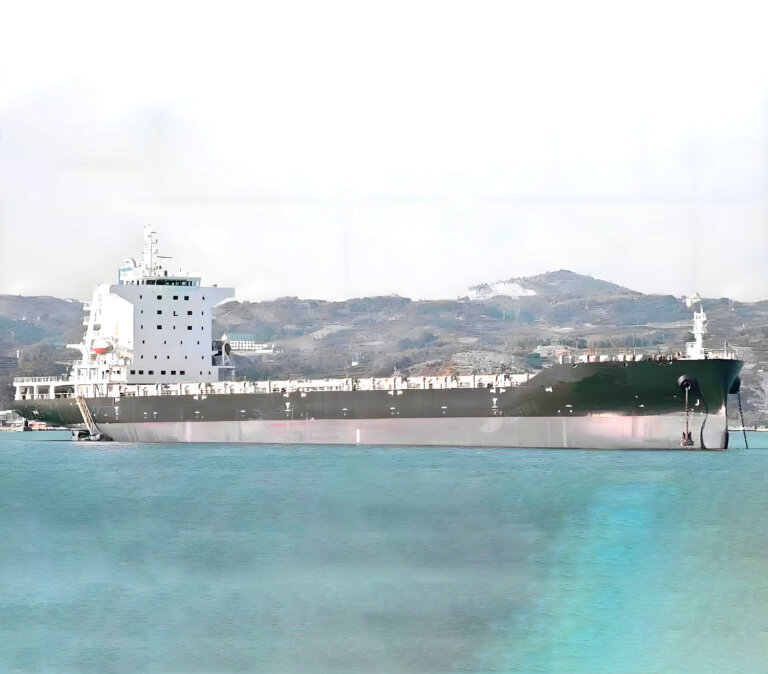
The operational reality of Southeast Asian ports reinforces the necessity of choosing geared tonnage. Many key loading terminals in East Kalimantan or discharge points in rural Vietnam lack advanced shoreside infrastructure. Vessels must be capable of gear-heavy operations, utilizing their own cranes and grabs for loading via barges at open sea anchorages. Therefore, when sourcing an active bulk carrier for sale, international buyers must place a premium on mechanical reliability, crane capacities, and grab configurations. A vessel with robust onboard gear can command a significant charter premium in the intra-Asia market, shielding the owner from the port congestion and infrastructure bottlenecks that frequently plague larger, gearless Capesize or Panamax assets. 🏗️
4. Navigating Technical Due Diligence: ZC Plus CCS Survey Standards for Global Flagging
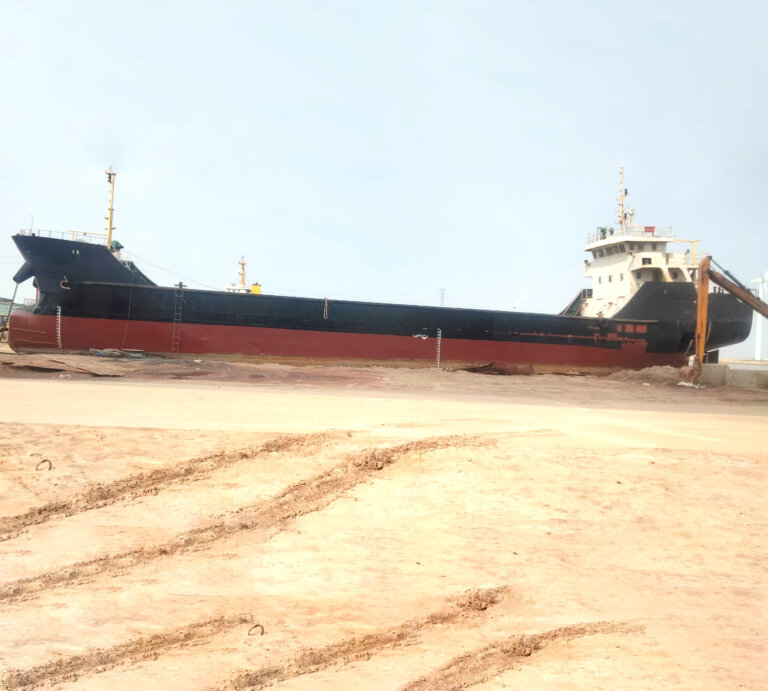
The maritime S&P market within the Asian theater features a unique pool of highly competitive tonnage: vessels originally built and classed for domestic trade within China. These vessels represent an exceptional value proposition, often trading at a capital discount compared to international-market equivalents. However, tapping into this asset class requires an advanced understanding of classification society frameworks, specifically the transition from domestic Chinese standards to international IACS (International Association of Classification Societies) frameworks. 🛠️
A significant percentage of coastal and regional tonnage operating under Chinese ownership is certified via the ZC plus CCS survey standard. ZC (Zhejiang Shipping Classification / China Corporation Register of Shipping for local regional offices) represents the national statutory authority managing domestic trade vessels under the mandate of the Chinese Maritime Safety Administration (MSA). CCS (China Ship Classification), while a full member of IACS for its international fleet registry, also administers domestic class notations that align with local regulatory frameworks. For an international buyer looking to acquire a quality asset out of this segment, executing a flawless survey conversion is the single most critical factor determining the project’s success or failure.
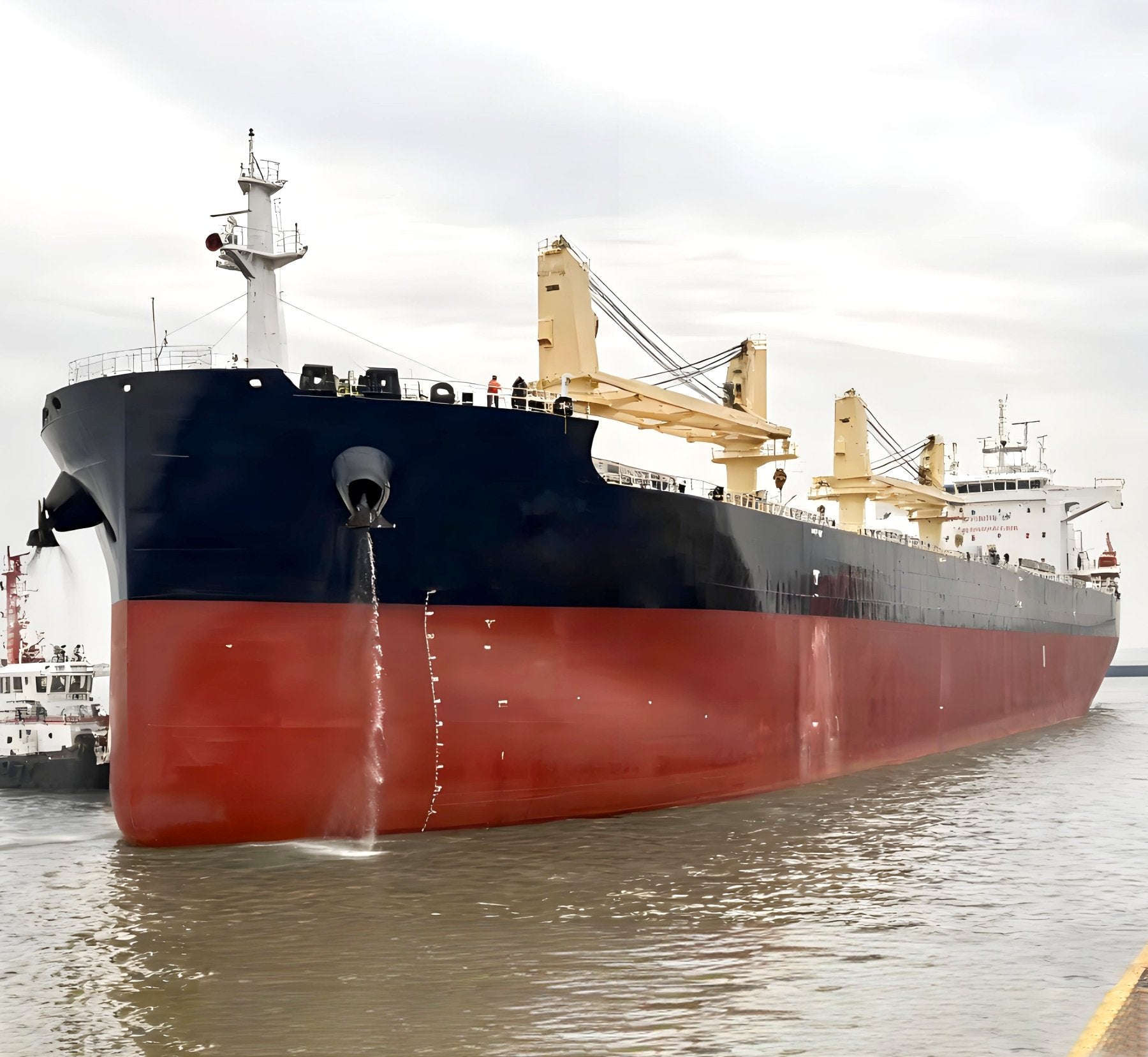
To successfully transition a vessel from a domestic ZC/CCS status into an international registry (such as Panama, Liberia, or Singapore under international CCS or other IACS bodies), buyers must systematically execute a detailed technical due diligence protocol. Failing to budget for these technical upgrades can instantly transform a seemingly low-cost acquisition into a financial drain during its initial international drydocking. Engaging a technical consultant who understands the subtle nuances of historical ZC survey records is non-negotiable for overseas buyers. 🔍
5. Financial Valuation and S&P Risk Mitigation for Dry Bulk Investors
As asset prices appreciate across the dry bulk sector in 2026, managing financial exposure during the Sale and Purchase process requires a highly structured methodology. Shipping remains a deeply cyclical, capital-intensive industry where timing the entry point dictates the long-term internal rate of return (IRR). Buyers must distinguish between a fundamentally supported market surge driven by structural ton-mile expansions and short-term speculative asset bubbles. 📊
Asset valuation should never rely solely on historical transaction averages or simple broker assessments. Professional buyers utilize a discounted cash flow (DCF) model coupled with a thorough Residual Value analysis. When analyzing a 10-year-old Japanese-built Supramax, the financial model must stress-test various charter market scenarios:
“An asset’s true defensive value is defined by its ability to service debt during a down-cycle. Shipowners must calculate the ‘All-In Break-Even’ rate—the summation of daily operating expenses (OPEX), debt servicing costs, drydocking provisions, and corporate overhead. If the current five-year time charter rate exceeds this break-even figure by more than 25%, the asset presents an acceptable risk profile for immediate capital allocation.”
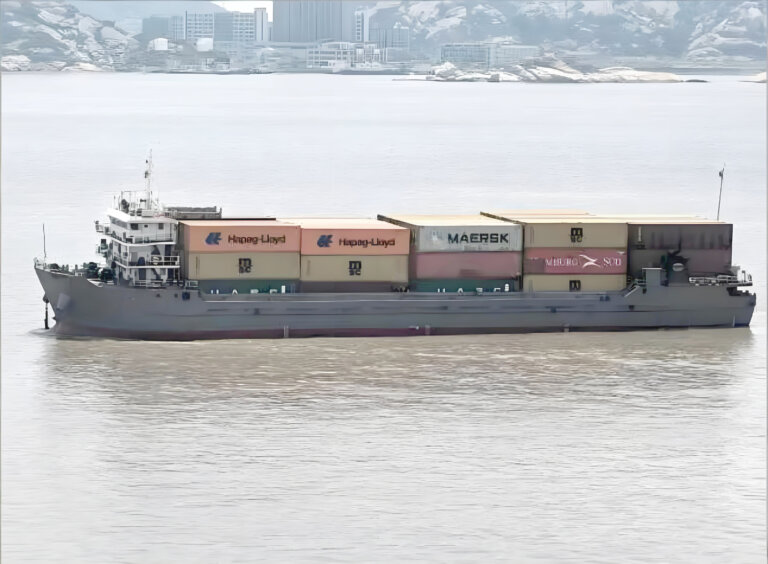
Beyond baseline asset valuation, S&P risk mitigation requires strict contractual discipline, typically executed via the standard Norwegian Saleform (NSF 2012) or Singapore Ship Sale Form (SSF 2011). Key focus areas for buyers include The Inspection Clause (Clause 4), where buyers must insist on an extensive physical inspection of the vessel’s cargo holds, topside tanks, and machinery spaces, alongside a complete review of classification society records. If you are tracking macro alignment strategies across sectors, analyzing the risk profiles of high-spec alternatives like a modern 2024 Built 35000 DWT 2076 TEU Container Ship can provide an excellent comparative baseline for fleet diversification metrics. 🧭
6. Partnering with a China Ship Broker: Streamlining Your 2026 S&P Transactions
The modern ship transaction landscape is complex, requiring deep cross-border coordination, legal expertise, and technical intelligence. For international buyers aiming to capitalize on the 2026 dry bulk surge by sourcing competitive tonnage out of the East Asian markets, attempts to negotiate directly with domestic owners frequently encounter substantial structural hurdles. Language barriers, distinct commercial negotiating styles, and unfamiliarity with international maritime law can quickly stall critical transactions. This emphasizes the vital importance of partnering with an experienced, internationally facing China ship broker. 🤝
An elite ship brokerage firm acts as far more than a simple introductory intermediary. In the contemporary S&P ecosystem, a professional broker provides a comprehensive transactional shield and operational bridge. They maintain deep, direct relationships with mainland state-owned enterprises (SOEs), financial leasing houses, and private shipowners whose fleets may not be visible on standard international listing platforms. This provides buyers with exclusive access to off-market inventories, allowing them to secure premium assets before they are exposed to competitive bidding wars on the open market.
Furthermore, an integrated broker plays a crucial role in managing the technical and regulatory transitions discussed throughout this brief. A broker who possesses direct channels into both the China Ship Classification (CCS) networks and international IACS technical bodies can smoothly coordinate the documentation transfer, historical survey translation, and export clearance processes. They ensure that all regulatory documentation required by the domestic Chinese authorities—such as the deletion of the domestic trade certificate—is executed in perfect synchronization with the registration requirements of the buyer’s chosen international flag state. 📋
At ShipsTrading.com, we specialize in bridging these operational gaps. By combining a global perspective with localized technical execution capabilities across major production hubs, we streamline the entire asset acquisition pipeline. Whether you are looking to divest of an asset to capture peak 2026 valuations or searching for a high-specification asset from our specialized container ship for sale hub or dry bulk divisions, our dedicated desk ensures your transaction is executed with absolute legal security, structural transparency, and operational efficiency.
Capitalize on the 2026 Dry Bulk Surge Now
Don’t let market capacity constraints hold your fleet expansion back. Secure fully vetted, off-market second-hand bulk carriers and container vessels primed for immediate deployment.