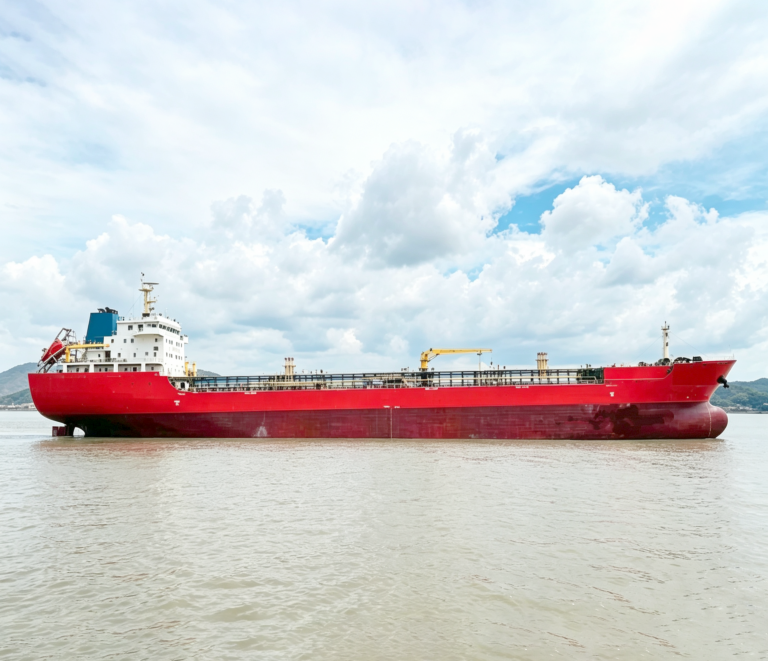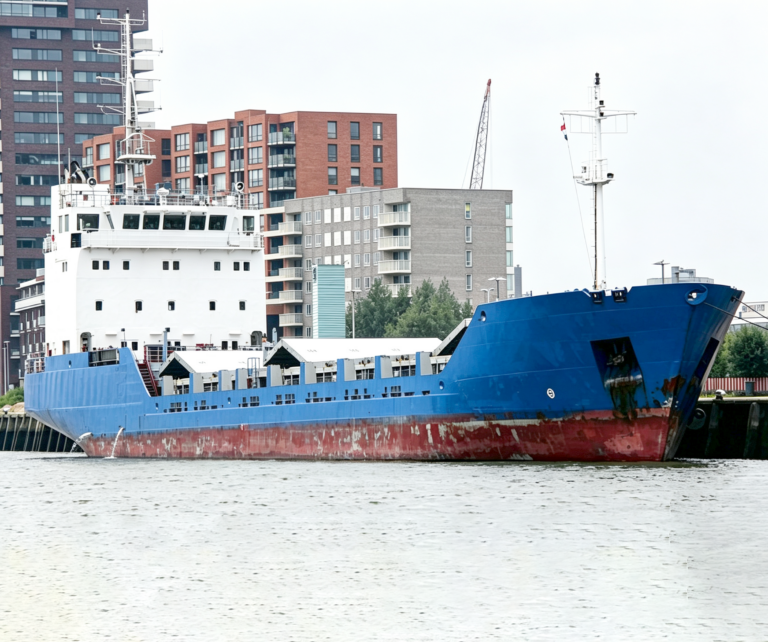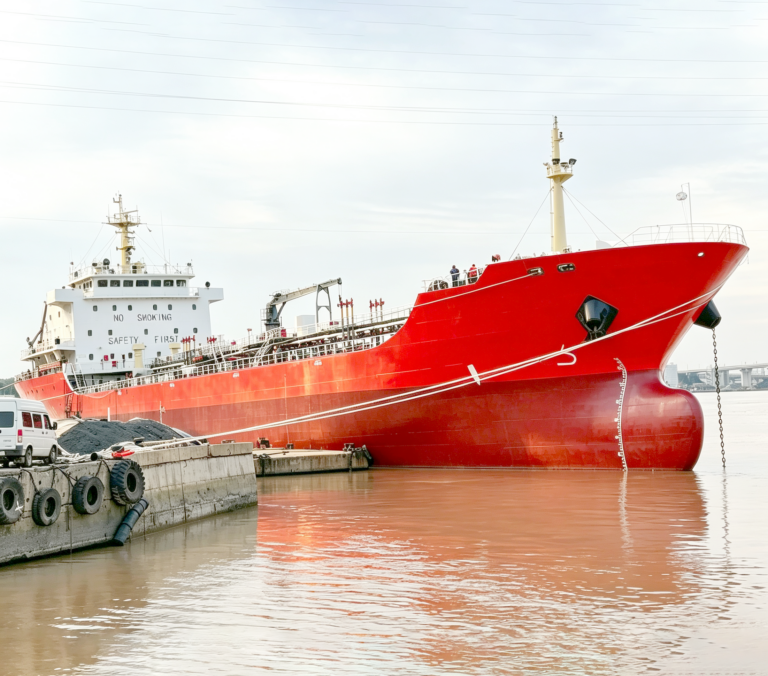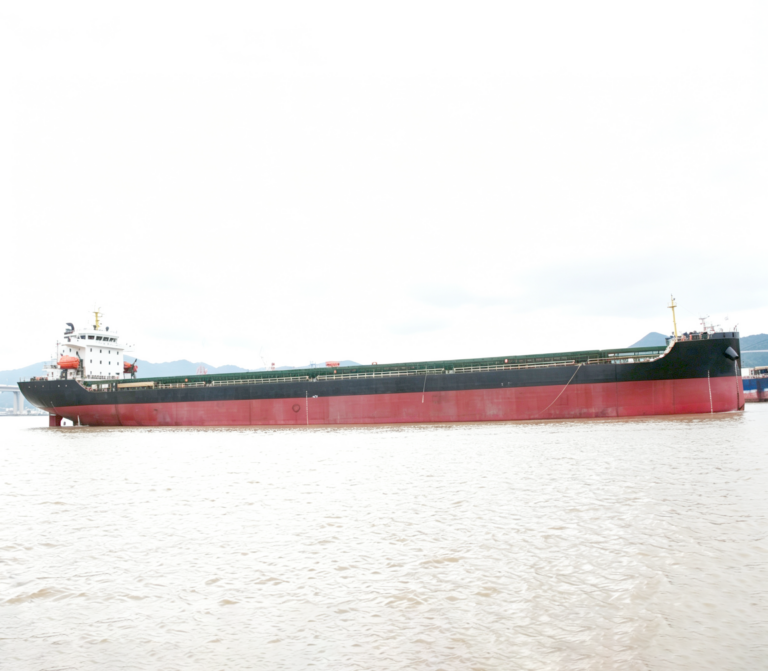

Buy Used Chemical Tanker IACS Class: 2026 Technical Sourcing & Vetting Guide
📌 Quick Navigation Briefing
- 1. The IACS Class Imperative: Protecting Liquid Capital in 2026
- 2. Tank Lining & Material Audits: Stainless Steel vs. Specialized Coatings
- 3. Navigating SIRE 2.0: Machinery and Nitrogen System Vetting
- 4. S&P Market Arbitrage: Modern Sourcing via ShipsTrading Hub
- 5. Risk Management: Ensuring Class Status Continuity and Transaction Escrow
- 6. Closing High-Spec Liquid Assets with Structural Transparency
1. The IACS Class Imperative: Protecting Liquid Capital in 2026
The global liquid cargo S&P market has entered an era of intense technical screening. In 2026, purchasing a conventional liquid chemical tanker requires more than basic price evaluation; it demands an ironclad verification of its International Association of Classification Societies (IACS) registry status. For institutional maritime syndicates, non-IACS certified hulls represent a major risk of structural capital immobilization. 🌿
Because international port state controls and premium marine insurers have tightened compliance boundaries, unverified liquid carriers face immediate operating restrictions. Sourcing an asset with a fully maintained DNV, ABS, or CCS class profile ensures your vessel retains its global trade flexibility, preventing sudden valuation drops during shifting regulatory cycles.
2. Tank Lining & Material Audits: Stainless Steel vs. Specialized Coatings
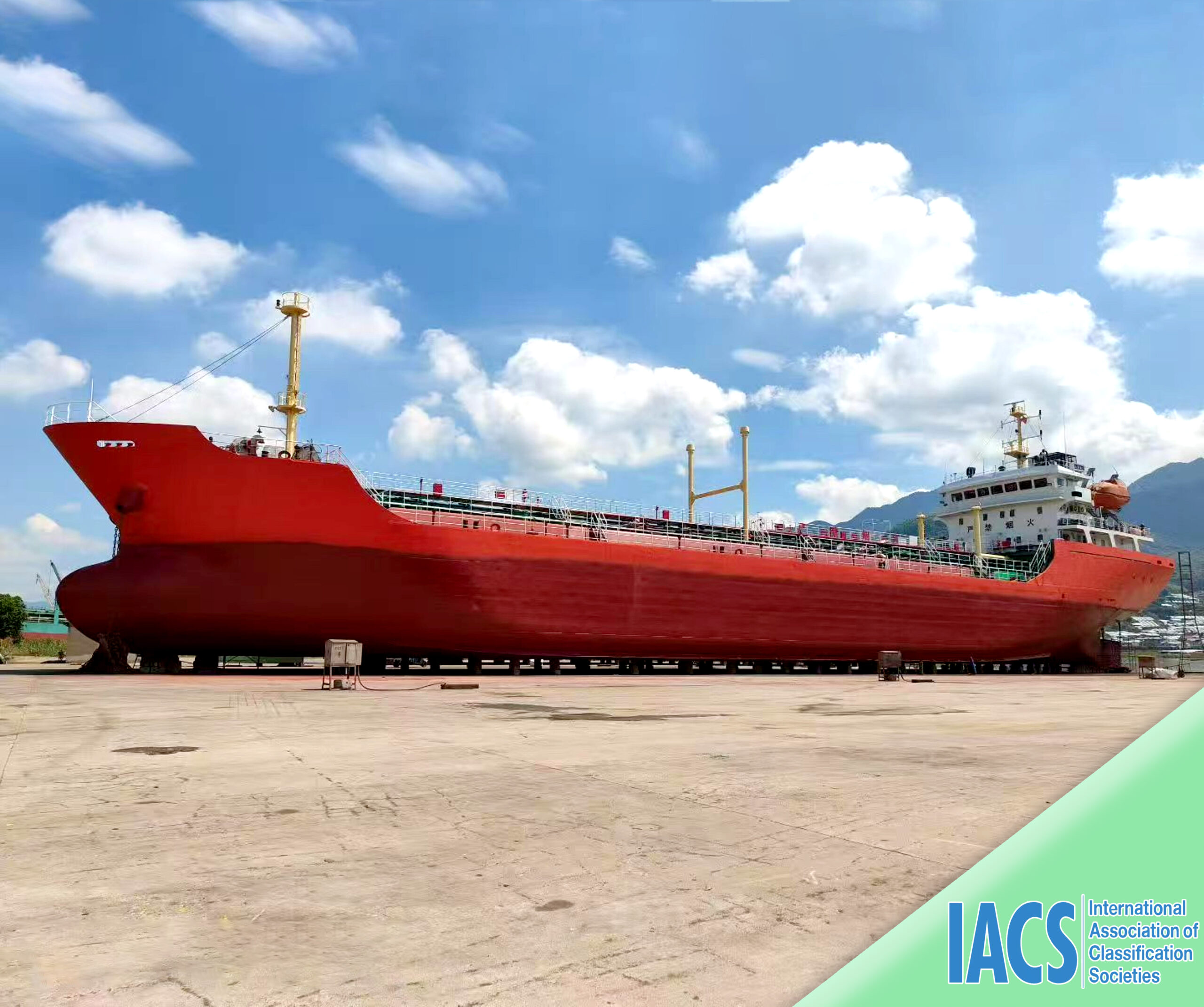
The core value of a chemical asset rests entirely within its cargo hold containment matrix. Sourcing teams must execute rigorous physical audits of tank interiors to determine cargo versatility and prevent future maintenance liabilities. Marine-grade 316LN stainless steel tanks represent the premium tier, handling highly aggressive acids and high-purity chemicals, while zinc silicate and phenolic epoxy coatings are tailored for specific alcohols, vegetable oils, and lighter petroleum products. 💰
At ShipsTrading, our asset technical desks evaluate tank coatings closely using specialized diagnostic tools. Verifying actual wall thickness, checking for micro-pitting, and testing coating bond strength prevents expensive shipyard rebuilds after delivery, protecting your operational margins from day one.
3. Navigating SIRE 2.0: Machinery and Nitrogen System Vetting
The regulatory challenge for liquid assets in 2026 is accelerated by the OCIMF SIRE 2.0 digital vetting regime. Tier-1 oil majors and global chemical charterers utilize these advanced inspection frameworks to block non-compliant tonnage from their premium freight pools, exposing un-optimized assets to low-margin spot trades. 🛡️
Stainless Core Integrity ✨
Maintains resistance against corrosive cargo lists, commanding premium charter rates and global routing flexibility.
SIRE 2.0 Digital Readiness 📱
Requires verified machinery logging, calibrated gas monitoring systems, and operational nitrogen generators for cargo inerting.
Coated Tank Restrictions ⚖️
Offers competitive entry pricing but requires detailed inspection of cargo logs to prevent chemical reaction damage.
To clear SIRE 2.0 vetting pipelines, procurement teams must verify nitrogen inert gas capacity, cargo heating coil efficiency, and discharge pump performance. Ensuring these secondary machinery systems are fully class-certified minimizes delivery delays and protects asset utilization metrics.
4. S&P Market Arbitrage: Modern Sourcing via ShipsTrading Hub
The current technical market creates exceptional openings for well-capitalized buyers. As institutional operators restructure fleets to align with corporate ESG goals, high-spec liquid assets enter our ships for sale hub at competitive entry valuations. Securing these vessels through direct shipyard-integrated platforms protects buyers from broker inflation. 🚢
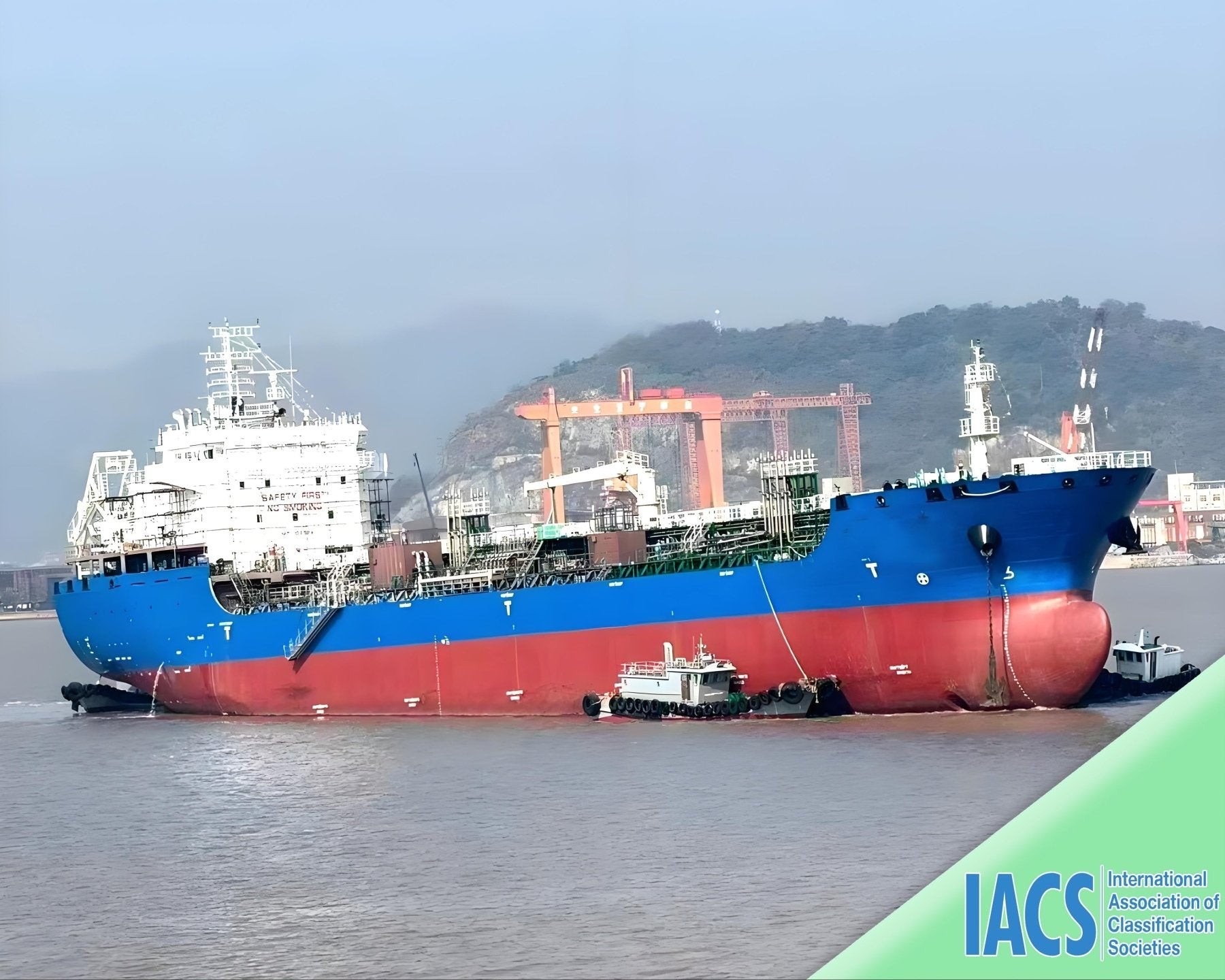
By leveraging our verified liquid cargo ship for sale registry, procurement teams gain transparent access to direct-owner listings, clearing out middleman spec chains to optimize transaction speed and capital efficiency.
5. Risk Management: Ensuring Class Status Continuity and Transaction Escrow
Managing cross-border chemical tanker transactions requires exceptional legal and technical coordination. Executing transfers within specialized shipping segments without strict oversight introduces exposure to latent machinery failure or unrecorded class conditions. Minimizing these transaction risks requires an experienced, global ship brokerage partner. 🤝
An elite shipbroker verifies capital protection by pairing on-site technical surveying with structured third-party escrow accounts. This process protects down payments and ensures that final capital release is executed only after class records are confirmed and continuous IACS status transfer is verified.
At ShipsTrading.com, we streamline high-spec liquid cargo acquisitions. Our technical desks manage communication with leading classification bureaus, verifying tank certifications and survey histories before contract execution. Connect with our corporate asset desk via our contact portal to protect your liquid transport capital today. 📋
Acquire High-Spec Used Chemical Tankers with Absolute Certainty
Protect your investments from vetting and lining liabilities. Our specialized technical desks perform rigorous coating audits and class log verifications to secure reliable liquid cargo capacity.