
📌 Quick Navigation Briefing
- 1. The S&P Security Baseline: Why BIMCO MOA Governs 2026 Transactions
- 2. Insulating the 10% Deposit: The Role of Independent Marine Escrow
- 3. Pre-Purchase Inspection & Technical Vetting Addendums
- 4. Capesize Capacity Spotlight: Evaluating Legacy Fleet Utility
- 5. Document Closing Protocols: Triggering the Safe Release of Funds
- 6. Execute Risk-Insulated Fleet Acquisitions via ShipsTrading
1. The S&P Security Baseline: Why BIMCO MOA Governs 2026 Transactions
The international shipping asset market involves high financial exposure. In 2026, managing large-scale dry bulk transactions demands strict legal structures to protect buyer and seller capital alike. For global shipping syndicates, navigating capital allocations requires full integration with a formal BIMCO MOA escrow contract ship purchase framework, ensuring international closing benchmarks are met with absolute precision. 🌿
The BIMCO Memorandum of Agreement (MOA)—such as the standard SHIPSALE contract structure—acts as the primary legal contract governing asset specifications, delivery timelines, and encumbrance clearings. Because cross-border vessel transfers involve multi-jurisdictional frameworks, relying on unverified generic contracts introduces severe regulatory risk, potentially freezing capital lines.
2. Insulating the 10% Deposit: The Role of Independent Marine Escrow
The initial critical checkpoint in any standard commercial ship acquisition is the allocation of the 10% initial deposit. In high-value asset environments, routing this deposit directly to a seller’s operational account exposes the buyer to severe transaction risks if contract default issues surface. Utilizing independent, tri-party maritime escrow frameworks insulates this deposit from outside commercial exposure. 💰
At ShipsTrading, our specialized transaction consulting desks enforce verified bank escrow architectures. The deposit remains securely held within neutral accounts, governed by joint release instructions, ensuring that funds are neither misallocated nor frozen during extended technical vetting or classification registry updates.
3. Pre-Purchase Inspection & Technical Vetting Addendums
A legally binding BIMCO contract requires detailed technical coordination. Buyers must look past generic specifications to execute thorough pre-purchase dry-dock reviews and class record verifications before final funding clearance. 🛡
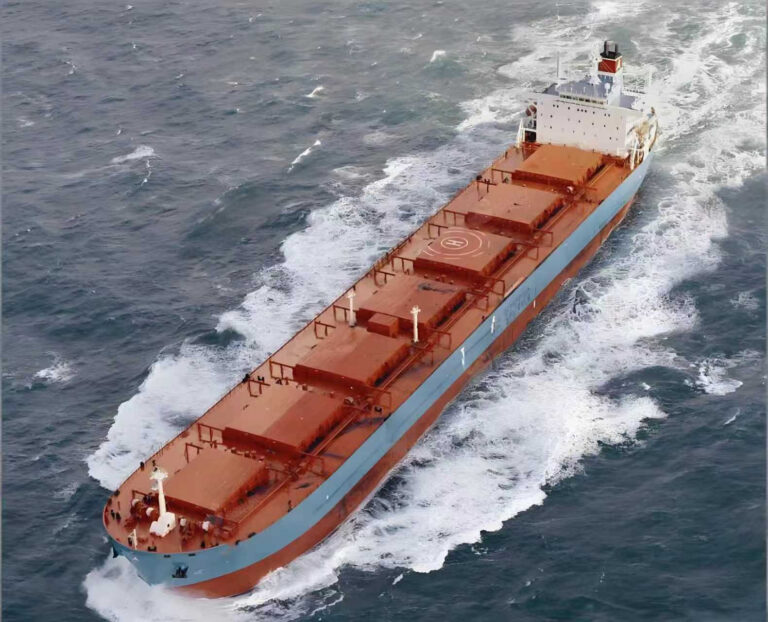
4. Capesize Capacity Spotlight: Evaluating Legacy Fleet Utility
For maritime logistics operators focusing on heavy dry bulk routes, sourcing large-tonnage capacity provides major payload advantages. When exploring options within our specialized bulk carrier for sale index, evaluating structural hull health alongside formal escrow configurations protects long-term operational revenue lines. 🚢

By integrating large-tonnage sourcing through our direct-owner ships for sale hub, buyers bypass speculative broker markups, securing a secure, transparent technical and legal pipeline from negotiation to final closing.
5. Document Closing Protocols: Triggering the Safe Release of Funds
The final phase of a structured ship purchase protocol involves document交割 meeting execution. Escrow funds must only release upon verified physical delivery and the concurrent presentation of standard corporate delivery documents. These documents include a clean Bill of Sale, formal Certificate of De-registration from the seller’s flag registry, corporate board resolutions, and validated power of attorney logs.
Ensuring these files clear legal screening before payment instruction release guarantees that the buyer takes possession of the asset without title defects. This dual-verification closing process effectively balances security metrics, safeguarding capital and supporting seamless operational transition.
6. Execute Risk-Insulated Fleet Acquisitions via ShipsTrading
Managing cross-border maritime acquisitions amid complex legal frameworks requires deep professional expertise. Navigating these asset transactions without professional legal and technical oversight introduces significant risk to deposit allocations. Protecting your maritime investments requires an experienced, technically integrated ship brokerage partner. 🤝
Our desk secures commercial ship purchase operations by combining comprehensive technical auditing with strict bank escrow management. This dual focus ensures that sellers market their vessels transparently and grants buyers access to off-market assets primed for immediate compliant operations.
At ShipsTrading.com, we simplify high-value asset acquisitions. Our specialized technical and legal desks manage communication with international registries and class societies, securing clear titles and continuous IACS status. Connect with our corporate transaction desk via our contact portal to protect your fleet capital today. 📋
Secure Your Large-Tonnage Maritime Transactions with Complete Sovereignty
Protect your deposit allocations and closing capital from legal risks. Our specialized S&P desks perform rigorous document audits and contract reviews to execute safe, transparent asset transfers.