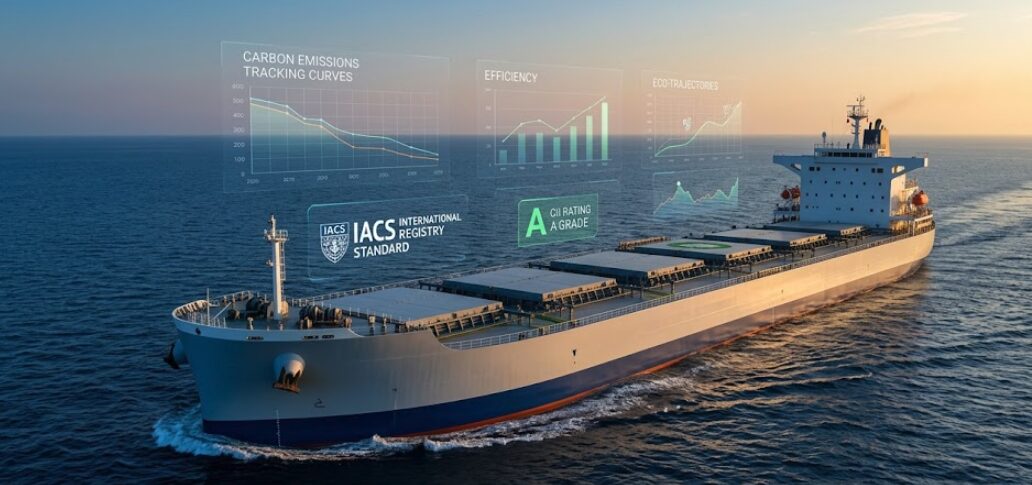
IMO CII Regulation Compliant Bulk Carriers: 2026 S&P Strategy & Fleet Valuation Guide
📌 Quick Navigation Briefing
- 1. The 2026 CII Enforcement Crunch: Dry Bulk Under Scrutiny
- 2. The Financial Crossroad: CAPEX vs. Divestment Realities
- 3. Commercial Penalties: Exclusion from Tier-1 Chartering Pools
- 4. Active S&P Spotlights: Verified Bulk Carrier Showcases
- 5. Structural Hedging: Shifting Capital to Carbon-Insulated Assets
- 6. Secure Your Green Mandate via ShipsTrading Escrow Grid
1. The 2026 CII Enforcement Crunch: Dry Bulk Under Scrutiny
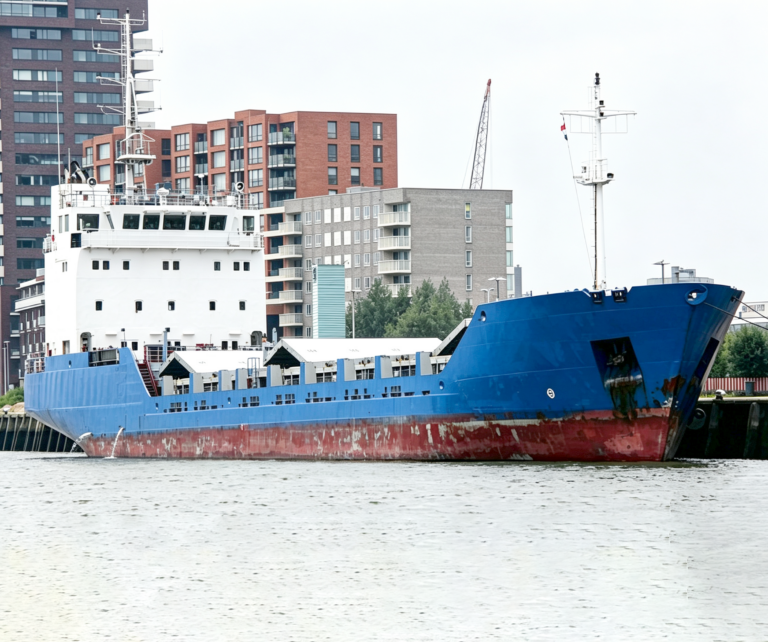
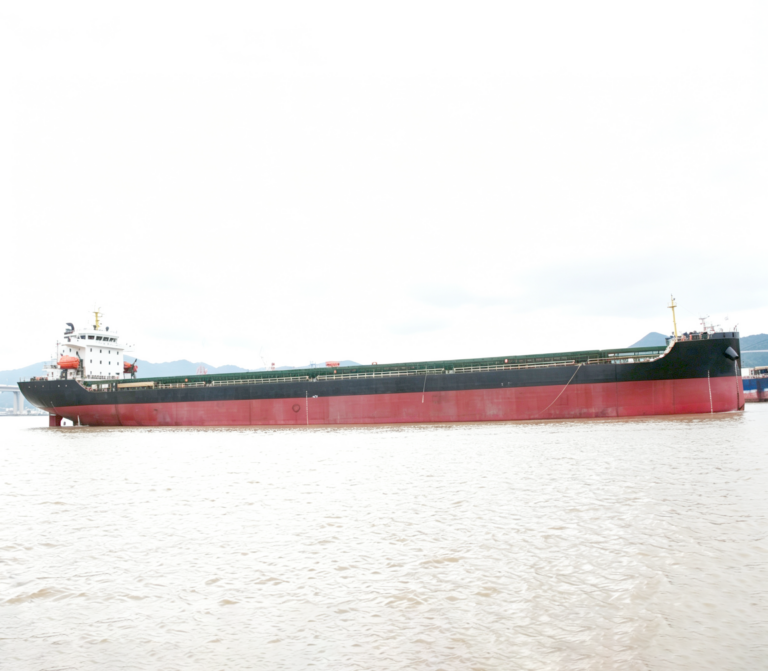
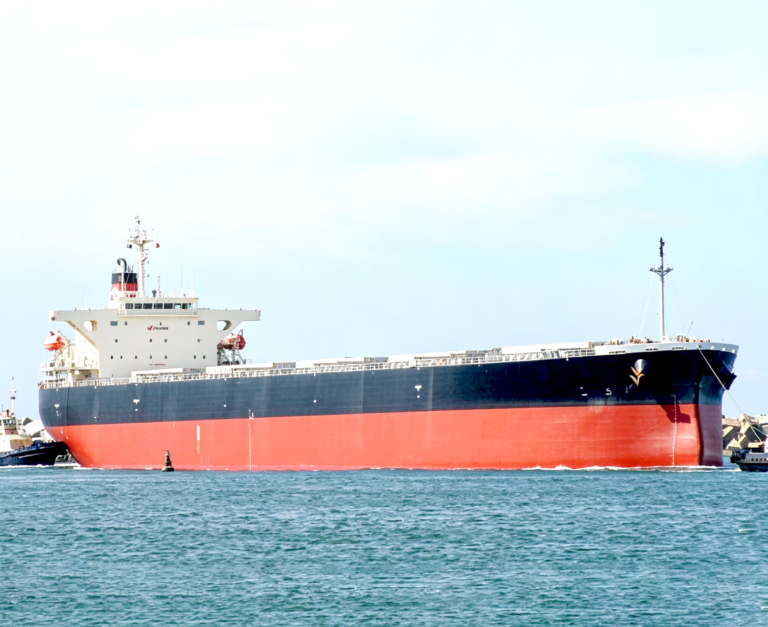
The global maritime logistics sector has passed its trial phase. In 2026, the International Maritime Organization’s CII framework operates as a strict, legally binding enforcement weapon. For buyers inspecting the international secondhand market for a compliant used bulk carrier for sale, matching target acquisitions against strict carbon reduction curves is no longer optional; it is the baseline for vessel valuation and asset survival. 🌿
The operational crunch is intense because carbon compliance boundaries automatically tighten every year. Conventional dry bulk cargo ships—particularly non-eco hulls in the 15-to-20-year age group—are rapidly running out of regulatory room. Without immediate mechanical modifications, a hull that secured a compliant ‘C’ score last year can slip into non-compliant ‘D’ or ‘E’ territory in 2026, triggering immediate corporate asset depreciation.
2. The Financial Crossroad: CAPEX vs. Divestment Realities
When a dry bulk unit enters the carbon danger zone, fleet managers must evaluate the true return on investment (ROI) of retrofitting. Restoring an older vessel’s profile requires major technical upgrades: high-efficiency silicone anti-fouling coatings, hydrodynamic wake-equalizing ducts, and electronic Engine Power Limitation (EPL) mechanisms. At ShipsTrading, our technical advisors evaluate these upgrades closely. 💰
While an EPL installation reduces fuel burn, it permanently cuts the vessel’s service speed, limiting its suitability for long-haul spot fixtures. For an aging conventional hull with limited operational life remaining, these shipyard costs, survey fees, and off-hire days can easily exceed its residual value. This financial reality encourages institutional shipowners to sell legacy tonnage and redeploy capital into younger, eco-certified units.
3. Commercial Penalties: Exclusion from Tier-1 Chartering Pools
The commercial impact of non-compliance is immediate. Major commodity conglomerates and international chartering desks now work under strict ESG rules. Their vetting departments exclude non-compliant ‘D’ and ‘E’ rated hulls from time-charter contracts, leaving un-optimized tonnage exposed to low-margin spot trades. 🛡️
A & B Eco Tonnage 🌟
Secures top chartering priority from global grain and ore charterers, commanding premium freight rates and lower green financing costs.
C Compliant Baseline ⚖️
Maintains general market access across global networks, but requires continuous monitoring as annual baselines tighten.
D & E High Risk Assets 🚨
Faces severe commercial penalties, including port state restrictions, forced slow-steaming, and exclusion from premier freight pools.
Additionally, leading ports in Europe and North Asia enforce green tariffs that penalize high-emission vessels. With institutional marine financing tightening for legacy ships, owners must choose between selling assets or facing the reality of stranded tonnage.
4. Active S&P Spotlights: Verified Bulk Carrier Showcases
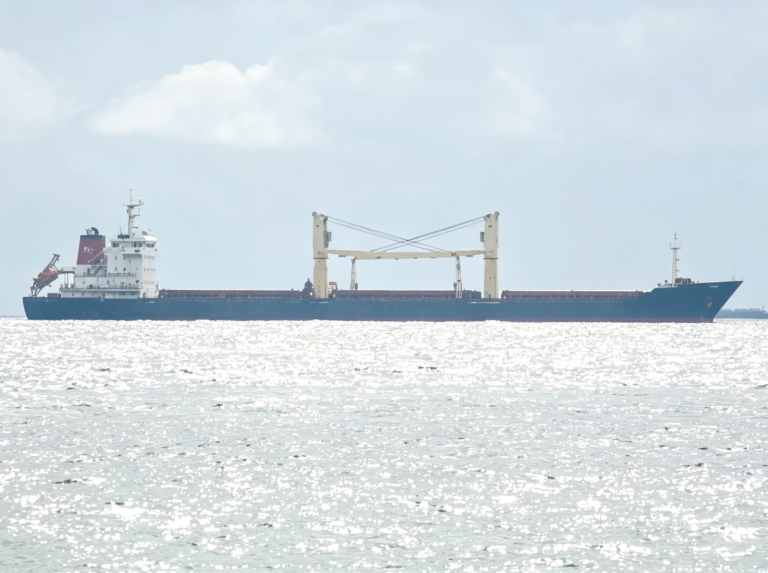
This regulatory shift creates a tactical opening for smart buyers. As major fleets sell conventional hulls to balance their carbon profiles, well-maintained tonnage enters our verified used dry cargo ships for sale hub at competitive prices. By matching these ships with regional, domestic, or short-sea trades that operate outside deep-sea carbon tracking architectures, buyers can maximize returns on these assets. 🚢
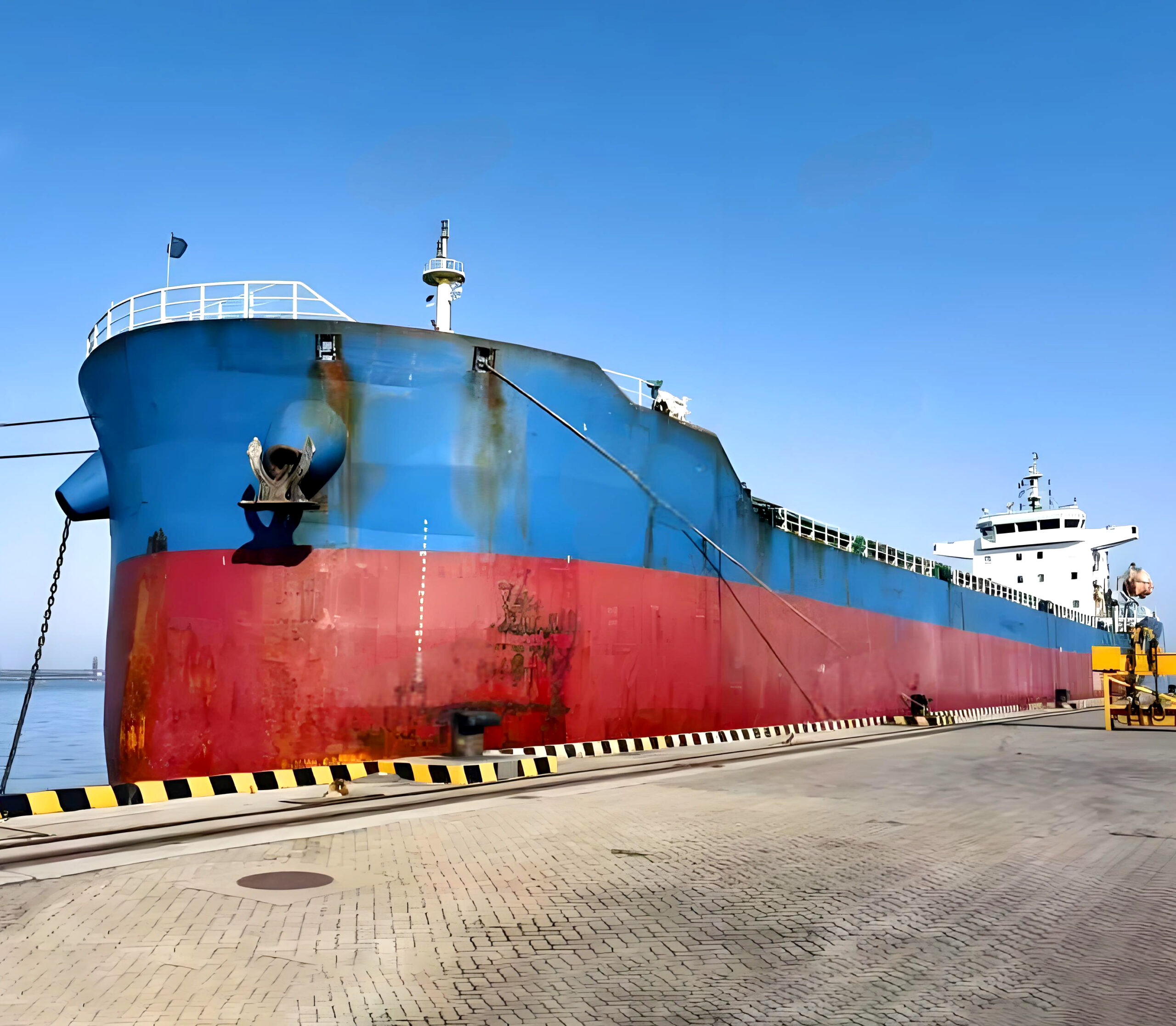
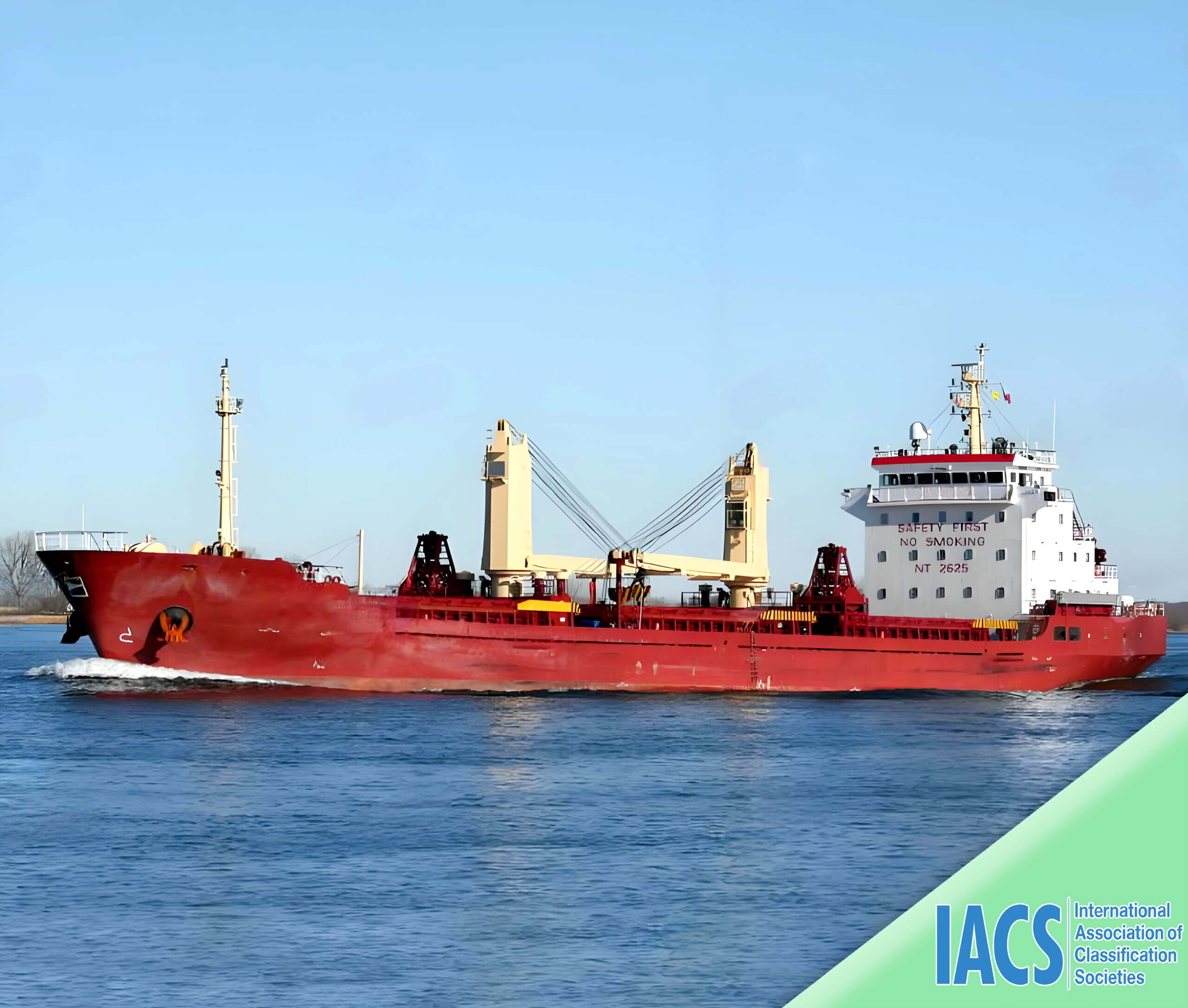
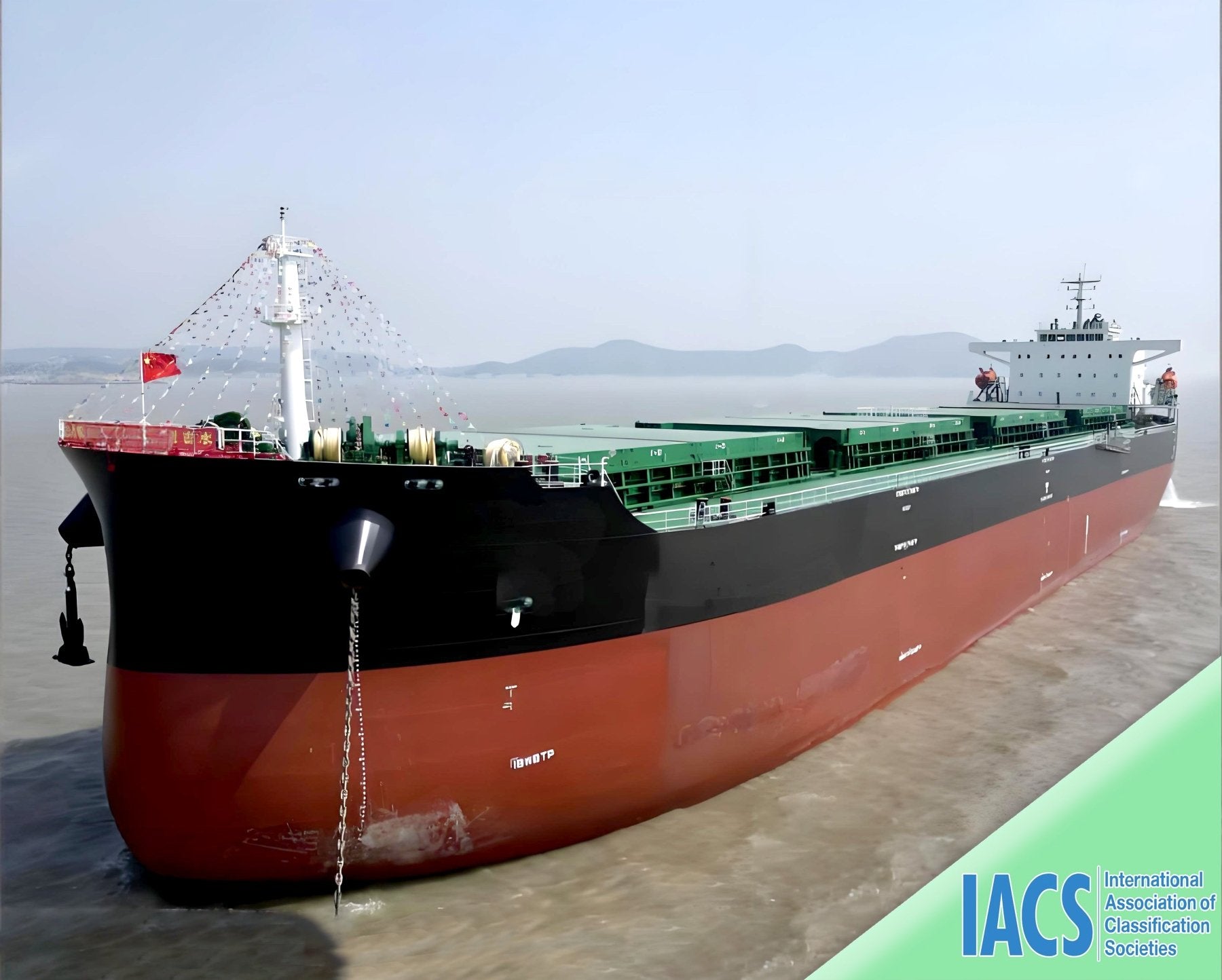
To operate successfully under these regulations, procurement teams must verify fuel burn histories and hull steel integrity. Acquiring verified vessels through direct channels preserves investment utility and helps bypass intermediate broker markup.
5. Structural Hedging: Shifting Capital to Carbon-Insulated Assets
A reliable way to minimize carbon compliance risk is asset diversification. International maritime decarbonization rules target self-propelled deep-sea transport. As a result, domestic infrastructure segments—such as dry cargo barges, specialized engineering craft, and service ships—remain structurally insulated from CII rating frameworks. 🏗️
Un-propelled vessels found in our specialized deck barge for sale selection offer reliable operational profiles. Simultaneously, forward-looking operators frequently balance dry bulk exposure by acquiring a high-yielding used container ship to tap into resilient short-sea liner loops. Because these regional feeder assets rely on flexible coastal rotations, their exposure to severe deep-sea carbon tracking penalties is reduced, complementing shallow-draft units in our lct-spb-barge-for-sale registry that operate within domestic safety frameworks.
6. Secure Your Green Mandate via ShipsTrading Escrow Grid
Managing fleet transitions amid changing international environmental laws requires deep technical expertise. Managing these acquisitions without verified on-site insight introduces real regulatory risk. Protecting maritime capital during this green transition requires a technically integrated global ship brokerage partner. 🤝
Our desk helps secure compliance by combining data-driven carbon modeling with strict technical vetting. This structural transparency allows sellers to demonstrate true hull efficiency and gives buyers access to off-market, high-performance assets ready for immediate trade integration.
Whether you intend to divest conventional assets or source eco-optimized tonnage from our active marketplace, our network ensures your transactions conclude with legal security and capital efficiency. Connect with our corporate asset desk via our contact portal to protect your fleet trajectory. 📋
Optimize Your Bulk Carrier Fleet for 2026 CII Compliance
Protect your dry bulk investments from regulatory depreciation. Our specialized technical desks perform rigorous carbon audits to help you purchase, retrofit, or sell commercial assets with absolute confidence.