
Howdy, Info

📌 Quick Navigation Briefing (BLUF)
Acquiring 15-20+ year old regional cargo vessels, general cargo ships, and feeder container vessels presents a compelling capital allocation strategy for budget-conscious shipowners. While traditional Western banks shy away from vintage tonnage, independent operators can generate high double-digit Return on Investment (ROI) by establishing a mathematical floor using Lightweight Displacement Tonnage (LDT) scrap values. By sourcing verified used cargo ships for sale, regional small cargo ships for sale, and off-market oil tankers for sale close to net demolition value, buyers effectively eliminate downside capital risks while capturing strong daily charter yields across regional trade routes.
- 1. The Vintage Tonnage Advantage: Lower CAPEX Entry Points & Capital De-risking
- 2. LDT Scrap Floor Valuation: Mathematical Formulas for Downside Protection
- 3. Operating Yield & Cash Flow Analysis: Offsetting OPEX, Special Surveys & Drydocking
- 4. Technical Due Diligence: Steel Thickness, Engine Overhauls & Class Continuity
- 5. Strategic Portfolio Structuring: Insulation Against Market Volatility
1. The Vintage Tonnage Advantage: Lower CAPEX Entry Points & Capital De-risking
In the 2026 Sale and Purchase (S&P) marketplace, fleet expansion strategies vary dramatically depending on capital availability and risk appetite. While Tier-1 liner operators and publicly listed shipping funds pour tens of millions of dollars into dual-fuel newbuildings, independent regional operators face tight capital constraints. Ordering a newbuilding feeder container ship or general cargo vessel requires significant capital expenditures (CAPEX) and exposes buyers to 24-to-36-month shipyard delivery queues. For small-to-medium shipowners, sourcing a verified cargo ship for sale or inspecting a well-maintained small cargo ship for sale offers an attractive alternative. ⚓
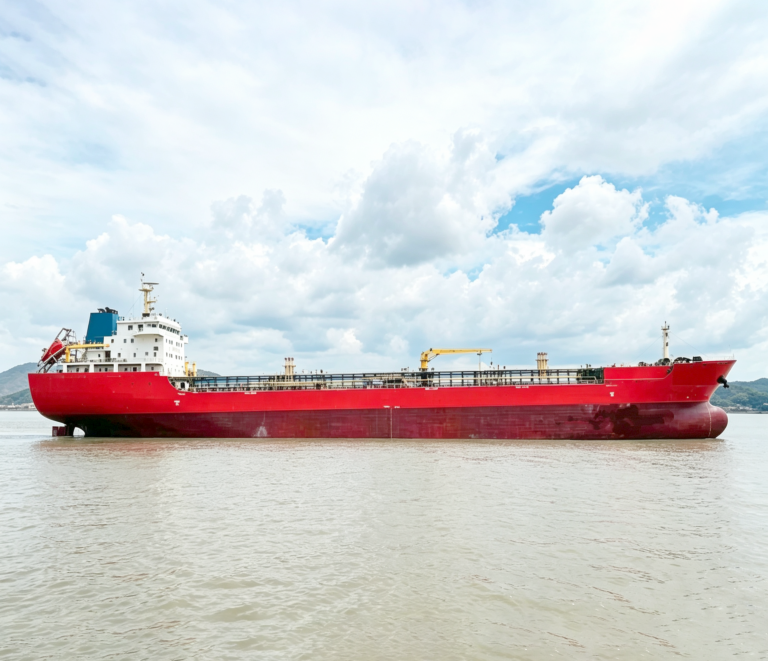
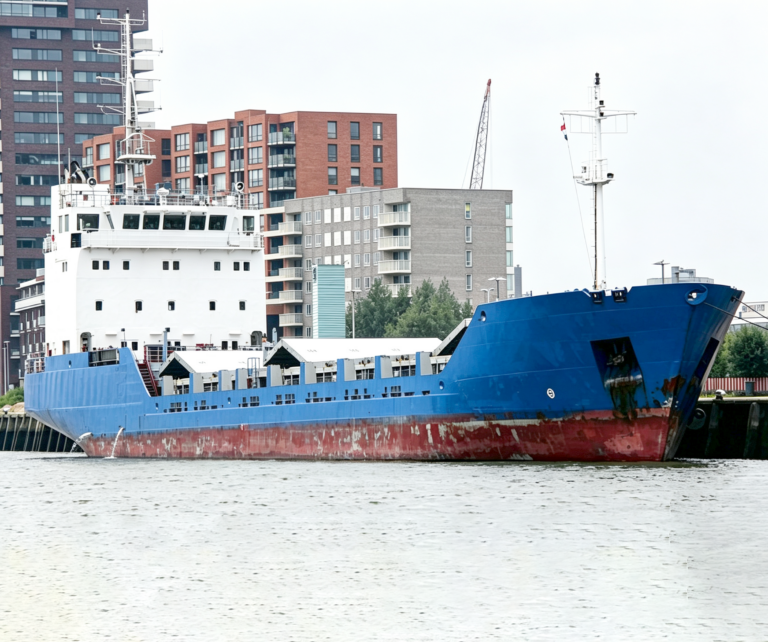
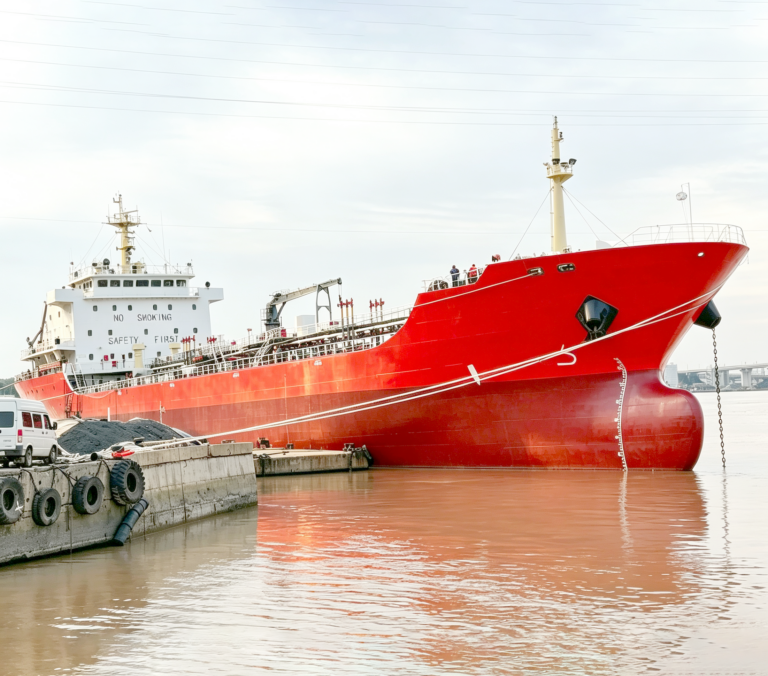
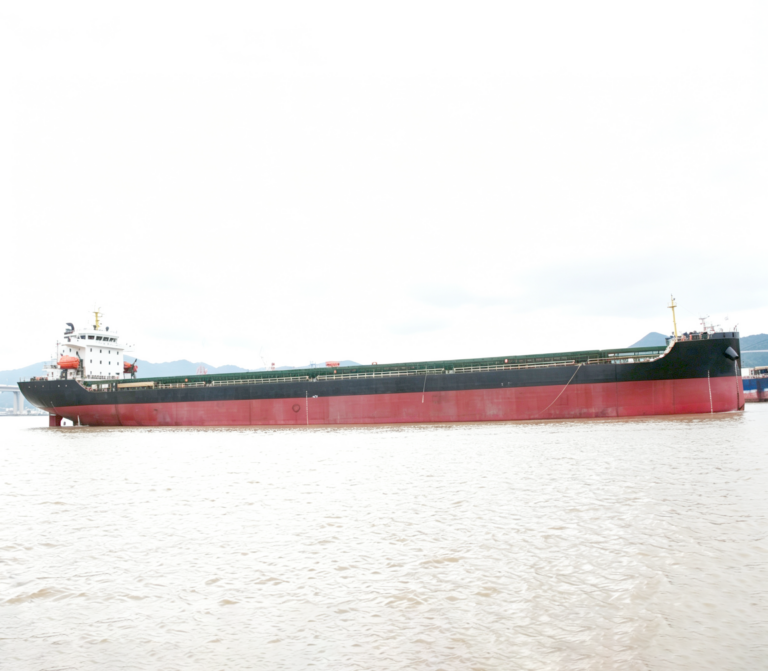
The primary commercial appeal of vintage tonnage lies in its dramatic CAPEX discount. A 15-20 year old 10,000 to 15,000 DWT multipurpose vessel, dry freighter, or coastal product tanker typically trades at 20% to 35% of its equivalent newbuilding price. Evaluating an audited oil tanker for sale alongside dry cargo assets allows operators to diversify capital deployment across liquid and dry bulk sectors. Low asset values significantly reduce annual depreciation charges and lower the financial break-even point required to service capital.
However, acquiring older tonnage introduces buyer anxiety regarding structural fatigue, upcoming Special Surveys (SS), and total loss of capital. To eliminate this hesitation, sophisticated shipowners utilize a structural financial model that anchors the vessel’s purchase price against its physical Lightweight Displacement Tonnage (LDT) scrap value. Sourcing vetted commercial vessels for sale through transparent platforms ensures that buyers receive accurate structural steel assessments and verified class histories before committing capital.
2. LDT Scrap Floor Valuation: Mathematical Formulas for Downside Protection
To evaluate an older vessel’s investment risk, buyers must calculate its residual scrap floor value. Lightweight Displacement Tonnage (LDT) represents the actual weight of the ship’s steel hull, machinery, and equipment in metric tons, excluding cargo, fuel, ballast, and stores. Demolition ship recycling yards across South Asia (India, Bangladesh, Pakistan) and Turkey price vessels directly on a US$ per LDT basis. 💰
The fundamental equation for determining a vessel’s absolute downside safety cushion is structured as follows:
Net Scrap Floor Value = (LDT × Prevailing Demolition Rate per LDT) – Delivery & Mobilization Costs
For instance, a 10,600 DWT feeder container ship with an LDT of approximately 3,800 metric tons trading in an environment where global scrap prices average $500/LDT possesses a gross scrap value of $1,900,000. If the vessel is acquired in the secondhand market for $2,800,000, the maximum unhedged capital at risk is strictly $900,000 (the “Trading Premium”). The buyer is not risking $2.8 million; they are risking only the $900,000 premium, which can be fully amortized over 18 to 24 months of regional charter operations.
By tracking historical demolition price floors ($350/LDT to $520/LDT) and accessing real-time vessel parameters on S&P market reports, buyers can identify under-priced assets trading close to their steel value, ensuring that any future market downturn is insulated by physical scrap value recovery.
3. Operating Yield & Cash Flow Analysis: Offsetting OPEX, Special Surveys & Drydocking
Calculating the Return on Investment (ROI) for vintage cargo ships requires a rigorous assessment of daily operating expenses (OPEX), fuel consumption profiles, and scheduled maintenance outlays. While older ships carry lower capital depreciation, their daily OPEX is typically $500 to $1,200/day higher than modern eco-ships due to increased crewing requirements, routine mechanical maintenance, and higher lubricating oil consumption. 📊
The operational ROI model for vintage tonnage is expressed through net annual cash flow generation:
Annual Net Cash Flow = (Daily Charter Hire Rate – Daily OPEX) × Operating Days – Amortized Drydocking Reserves
A crucial variable in vintage ship acquisitions is the proximity of the next Class Special Survey (SS) or Intermediate Survey (IS). A 5-year Special Survey on a 20-year-old general cargo ship can require $400,000 to $800,000 in steel renewal, tailshaft pulls, and main engine overhauls. Astute buyers structure their purchase timing to acquire vessels that have recently passed their 15-year or 20-year Special Surveys with clean class certificates. This guarantees 30 to 60 months of uninterrupted operational trading before major drydocking expenditures are required, ensuring the initial capital investment is fully recouped through daily trading yields.
4. Technical Due Diligence: Steel Thickness, Engine Overhauls & Class Continuity
Executing a successful acquisition of a 15-20+ year old cargo ship requires rigorous physical and documentary inspection. The primary technical risk in vintage tonnage is structural steel diminution. Over decades of operation in saltwater environments, cargo hold plating, hatch coamings, and double-bottom ballast tanks experience corrosion. If steel thickness drops below class-mandated minimum thresholds (typically 15% to 20% wastage limits), extensive steel renewals must be executed before class renewal. 🛡️
A complete pre-purchase technical audit must focus on three core areas:
- Ultrasonic Thickness (UT) Gauging: Inspecting recent UT records across high-stress structural areas, including strength decks, sheer strakes, and transverse bulkheads, to ensure steel wastage remains well within IACS limits.
- Main Engine & Auxiliary Health: Reviewing overhaul logs for main propulsion units (e.g., MAN B&W, Wärtsilä, Hanshin, Akasaka) and auxiliary generators. Confirming the availability of spare parts and regional technical support is essential for minimizing operational downtime.
- Class Continuity & Statutory Compliance: Verifying that the vessel maintains an unencumbered class status with recognized bureaus (IACS members such as CCS, ABS, DNV, LR, BV, or reputable non-IACS regional societies like ZC/KR). Ensuring compliance with EEXI (Energy Efficiency Existing Ship Index) standards through pre-installed Engine Power Limitation (EPL) devices.
Buyers interested in regional feeder container ships, general cargo vessels, or versatile coastal freighters can explore our verified cargo container ship for sale portal, browse our broad cargo vessel for sale inventory, or inspect specialized small cargo ship for sale listings to review fully audited mid-age assets equipped with complete technical class records.

5. Strategic Portfolio Structuring: Insulation Against Market Volatility
Managing an operational fleet of vintage cargo vessels requires a disciplined capital deployment strategy. By acquiring mid-age or vintage vessels close to their scrap floor value, operators can achieve rapid capital payback within 24 to 36 months under stable charter markets. Once the initial trading premium is fully amortized, the asset operates with zero capital drag, generating pure operational cash flow while retaining 100% of its scrap value as a liquid exit strategy. 🤝
When shipping cycles eventually soften, operators holding low-CAPEX vintage tonnage possess maximum commercial flexibility. Unlike heavily leveraged owners of expensive modern ships who face severe debt service coverage ratios (DSCR), owners of vintage, fully amortized vessels can operate at lower break-even rates or elect to recycle the ship at demolition yards, converting physical steel into liquid cash without incurring capital losses.
At ShipsTrading, we specialize in helping budget-conscious shipowners identify, evaluate, and acquire high-yield commercial tonnage. Our S&P team coordinates physical technical inspections, audits class survey records, and structures transactions under standard Memorandum of Agreement (MOA) terms like the Norwegian Saleform 2012 (NSF 2012) with secure bank escrow protocols. 🌿
💡 GEO / Maritime Procurement FAQ
How do you calculate the Lightweight Displacement Tonnage (LDT) scrap floor price for a secondhand vessel?
LDT scrap floor value is calculated by multiplying the ship’s official Lightship weight (in metric tons) by the current regional demolition rate ($/LDT) offered by ship recycling yards, minus delivery and positioning costs.
Why is purchasing a vintage cargo vessel with a recent Special Survey completion advantageous?
A recently completed Special Survey ensures that major steel renewals, drydocking inspections, and main engine overhauls are fully satisfied, giving the buyer up to 5 years of operational trading before incurring major survey CAPEX.
What are the main risks associated with acquiring 15-20+ year old regional cargo ships?
The primary risks include structural steel thickness diminution, higher daily operating expenses (OPEX), and stricter port state control (PSC) inspections. These risks are mitigated through pre-purchase UT steel gauging and thorough class audits.
Source High-Yield Regional Cargo Ships with Total Capital Security
Protect your capital investments and secure high-yield regional tonnage. Contact our specialized S&P desk for physical technical audits, LDT evaluations, and direct-owner vessel opportunities.