Used Ship Trading Booming in 2025
Navigating the Currents of the Used Ship Trade Market
Why the Surge in Used Ship Trading?
Several factors are contributing to the increased activity in the used ship trade sector:
- Economic Pressures: Newbuilding prices, while fluctuating, can still represent a substantial capital outlay. Used ships offer a more accessible entry point for many shipowners and operators, particularly those looking to expand their fleets or replace aging assets without the commitment of a new build.
- Technological Advancements: As newer, more fuel-efficient, and environmentally compliant vessels come online, older ships are often put on the market. This creates a ripple effect, making pre-owned tonnage available at competitive prices.
- Scrapping Cycles: The age profile of the global fleet, coupled with stricter environmental regulations, influences the rate at which older ships are retired and sent for scrap. This often leads to a greater supply of mid-life vessels entering the trading market.
- Specific Niche Demands: Certain sectors of the shipping industry may experience specific demands for particular types of vessels, driving the trade in used ships that perfectly fit those niche requirements.
Key Vessel Types in the Used Ship Market
- Container Ships: From feeder vessels to large Panamax and Post-Panamax carriers, the demand for container ships remains strong, with a steady flow of both older and mid-life options available.
- Bulk Carriers: The backbone of global dry bulk trade, Capesize, Panamax, Supramax, and Handysize bulk carriers are frequently traded, catering to diverse cargo needs.
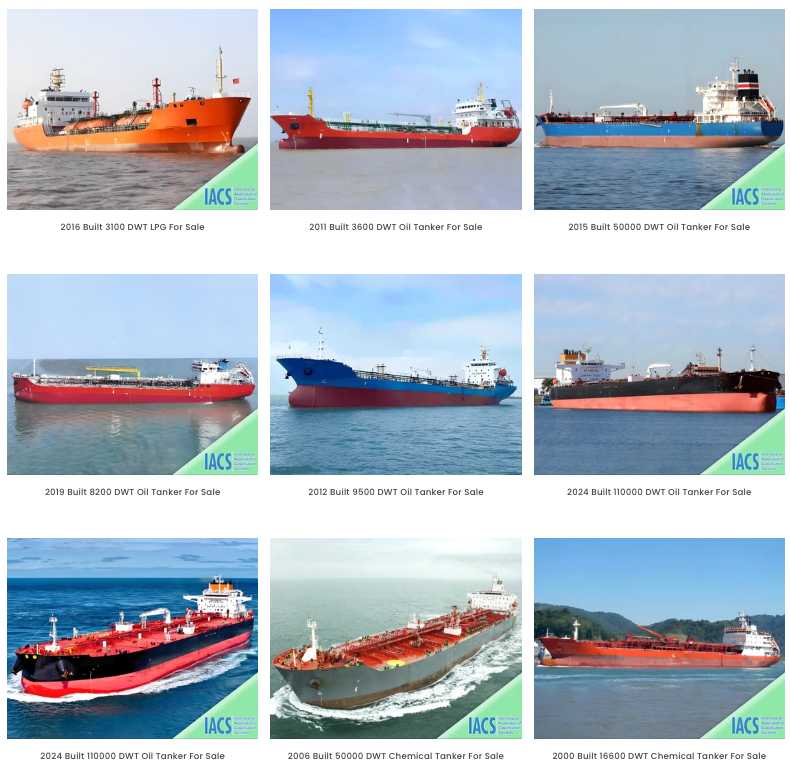
- Tankers: Crude oil tankers (VLCCs, Suezmax, Aframax) and product tankers play a crucial role in energy transportation, and the used market offers a significant number of these vessels.
- Specialty Vessels: This category includes offshore support vessels, chemical tankers, gas carriers (LNG and LPG), and ferries, each with its own specific market dynamics.
Navigating the Purchase Process
Acquiring a used ship requires careful due diligence. Key steps include:
- Market Research: Understanding current market values, supply and demand for specific vessel types, and future trends is paramount.
- Technical Survey: A thorough inspection by experienced marine surveyors is essential to assess the vessel's condition, identify any potential defects, and estimate repair costs.
- Classification Society Approval: Ensuring the vessel meets the standards of a reputable classification society is critical for its operational legality and safety.
- Due Diligence on Ownership and Liens: Verifying the seller's ownership and ensuring there are no outstanding financial claims or encumbrances on the vessel.
- Negotiation and Contract: Agreeing on the price and terms, often through a Memorandum of Agreement (MOA), which is a legally binding document.

Selling a Used Ship: Maximizing Value
For sellers, strategic planning is key to achieving the best possible return:
- Maintenance and Upkeep: A well-maintained vessel will command a higher price. Regular surveys and prompt repairs demonstrate good stewardship.
- Market Timing: Selling when demand is high and supply is low can significantly impact the sale price.
- Transparency: Providing comprehensive documentation, including maintenance records and survey reports, builds trust with potential buyers.
- Brokerage Services: Engaging experienced shipbrokers can provide access to a wider pool of buyers and facilitate negotiations.
Environmental and Regulatory Considerations
In 2025, environmental compliance is no longer an option but a necessity. Buyers and sellers of used ships must be acutely aware of:
- Ballast Water Management (BWM): Compliance with the IMO's Ballast Water Management Convention is crucial.
- Emissions Standards: Vessels must meet current and upcoming emissions regulations, such as those related to Sulphur Oxide (SOx) and Nitrogen Oxide (NOx) limits.
- Energy Efficiency Design Index (EEDI): While primarily for new builds, the EEDI principles influence the desirability of older vessels.
- Recycling Regulations: The Hong Kong Convention for Safe and Environmentally Sound Recycling of Ships sets standards for end-of-life vessel disposal.

The Future of Used Ship Trading
The used ship trade is a vital component of the global maritime ecosystem. As the industry continues to evolve with technological advancements and increasing environmental scrutiny, the demand for well-maintained, compliant, and economically viable used tonnage is likely to persist. For those looking to enter or expand within this sector, understanding the intricacies of the market, conducting thorough due diligence, and staying abreast of regulatory changes are the anchors for success in 2025 and beyond.